
PERMA-PLACE
CAMBRIDGE FARMER’S MARKET EXPANSION, 2025, Cambridge
In collaboration with: Isabella Markham
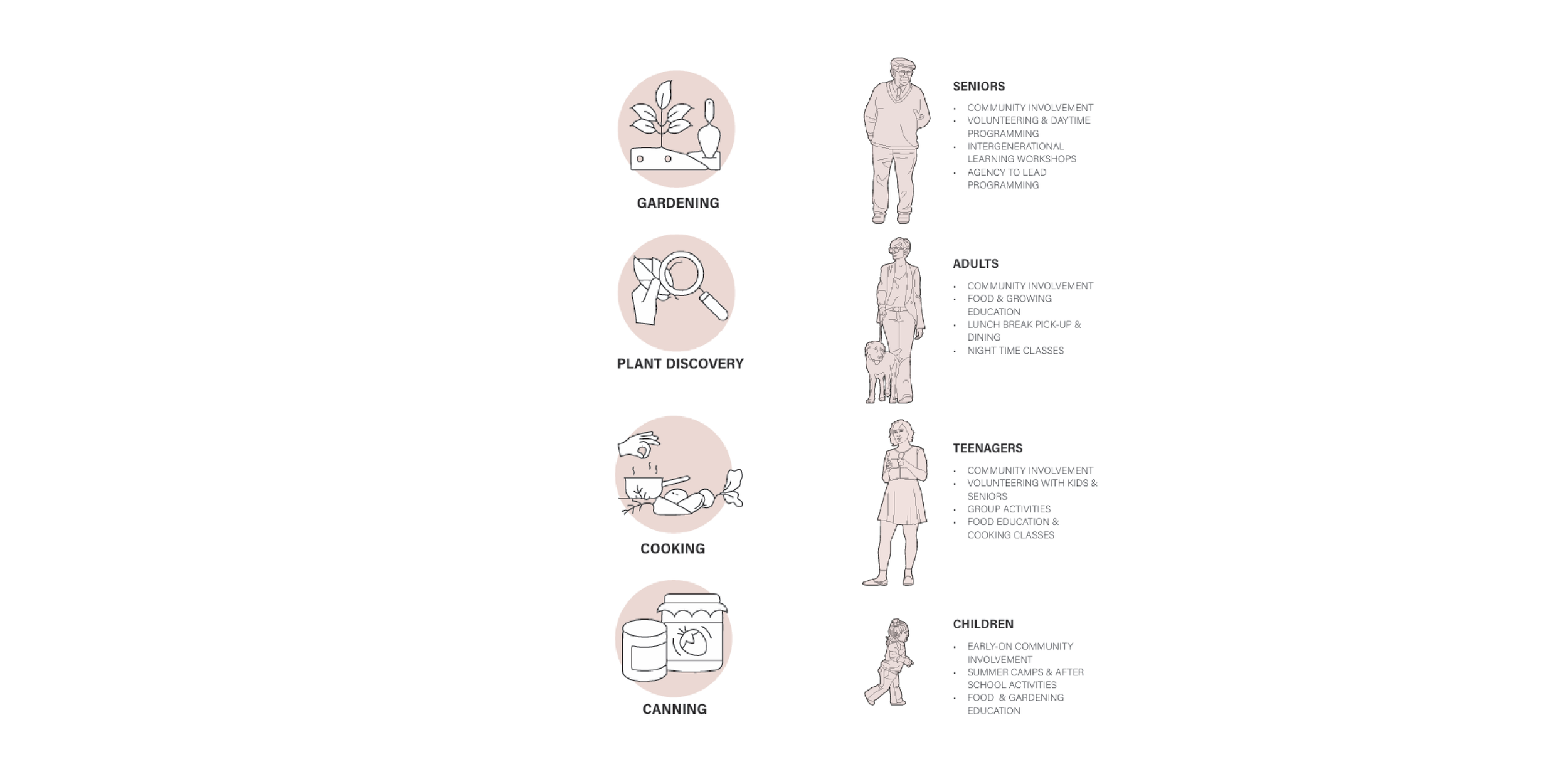
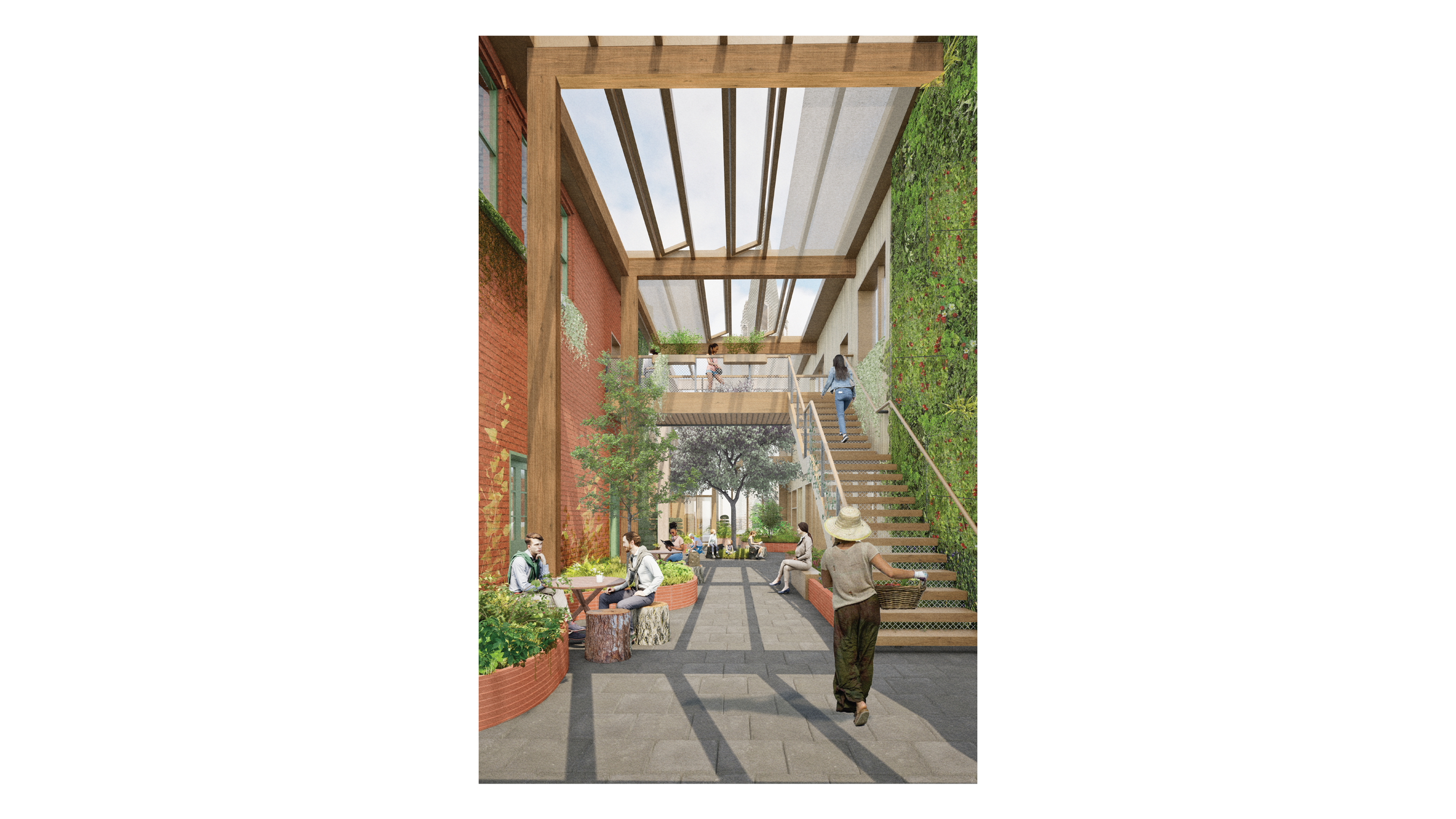
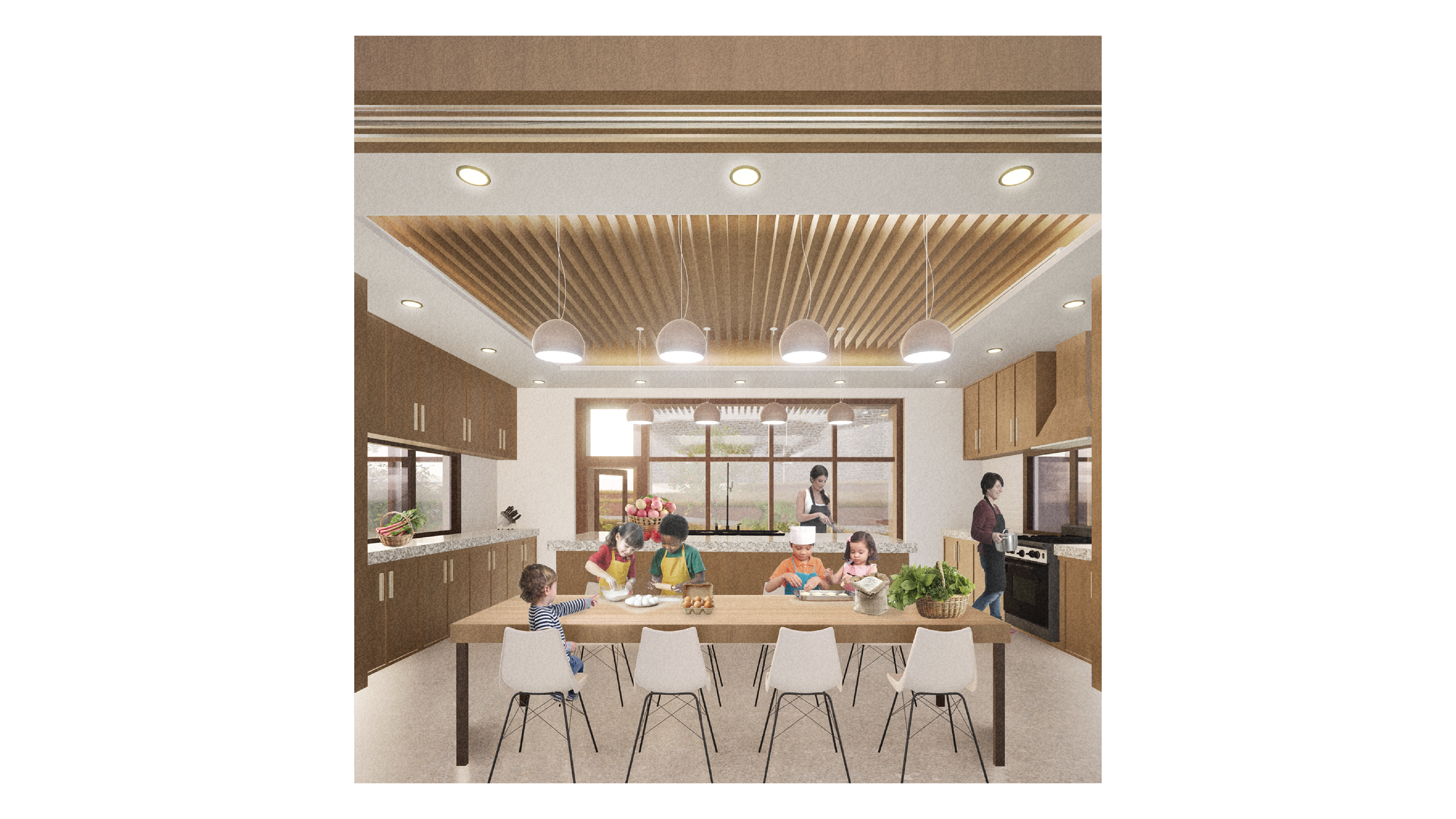
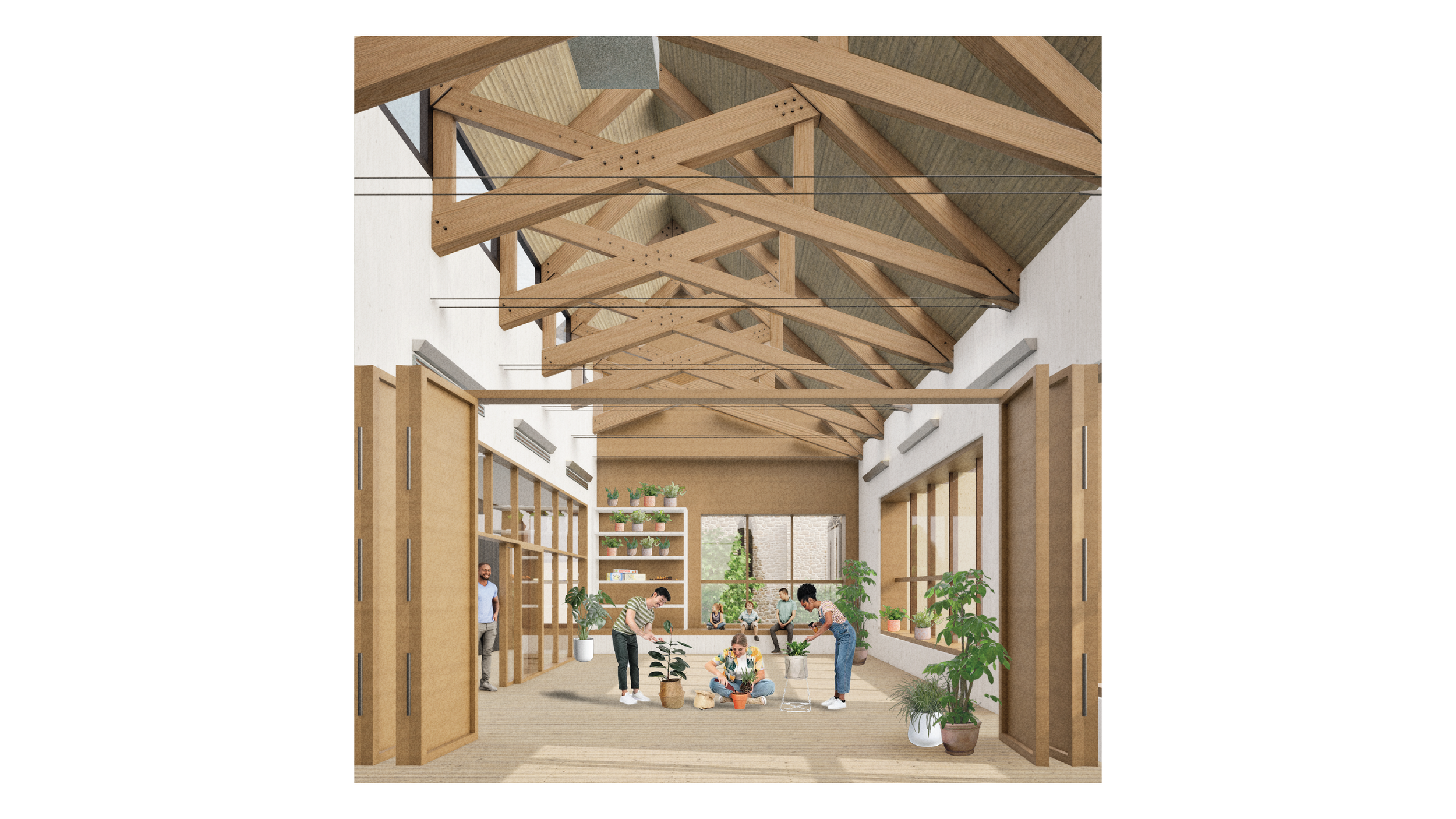
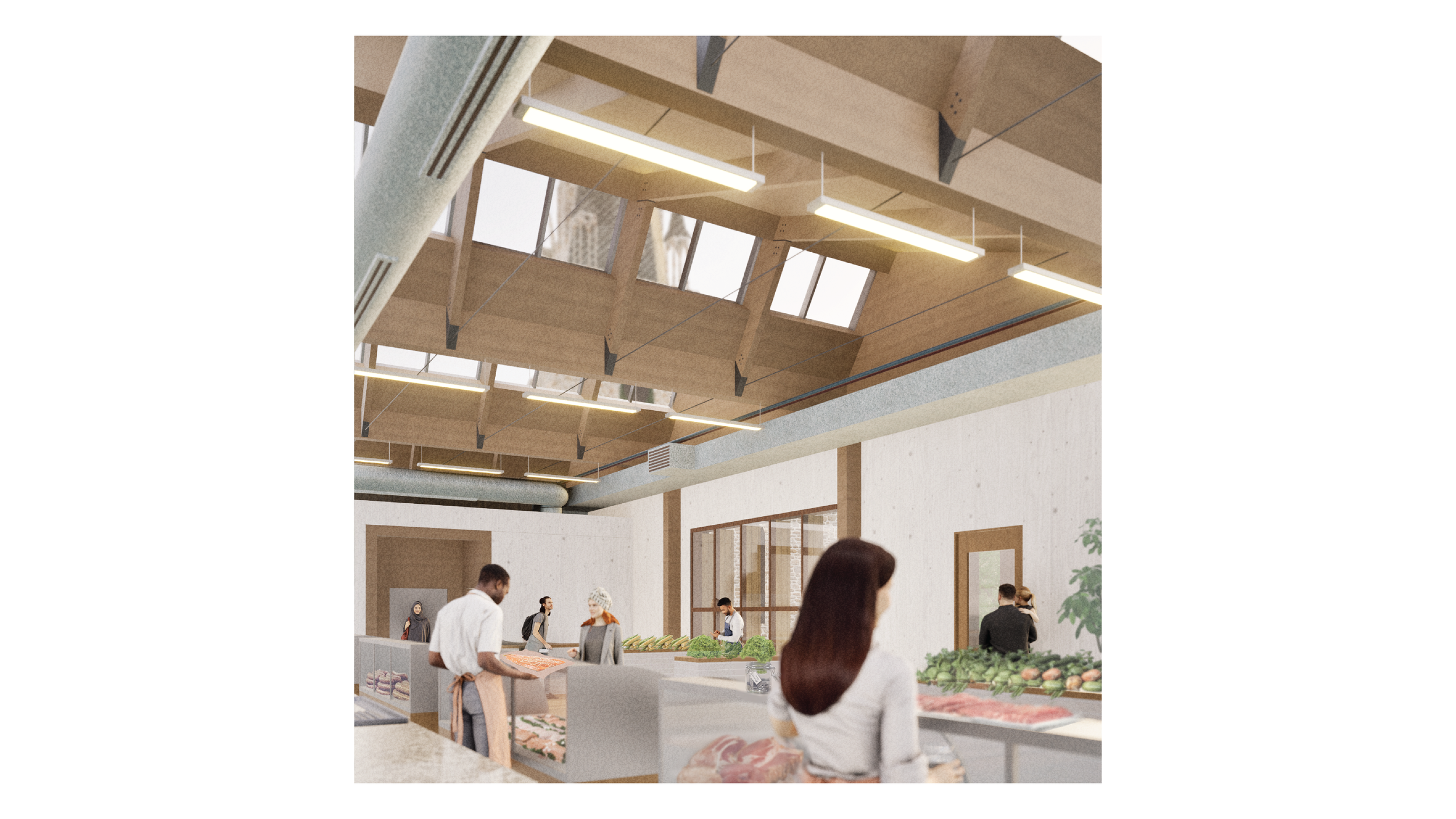
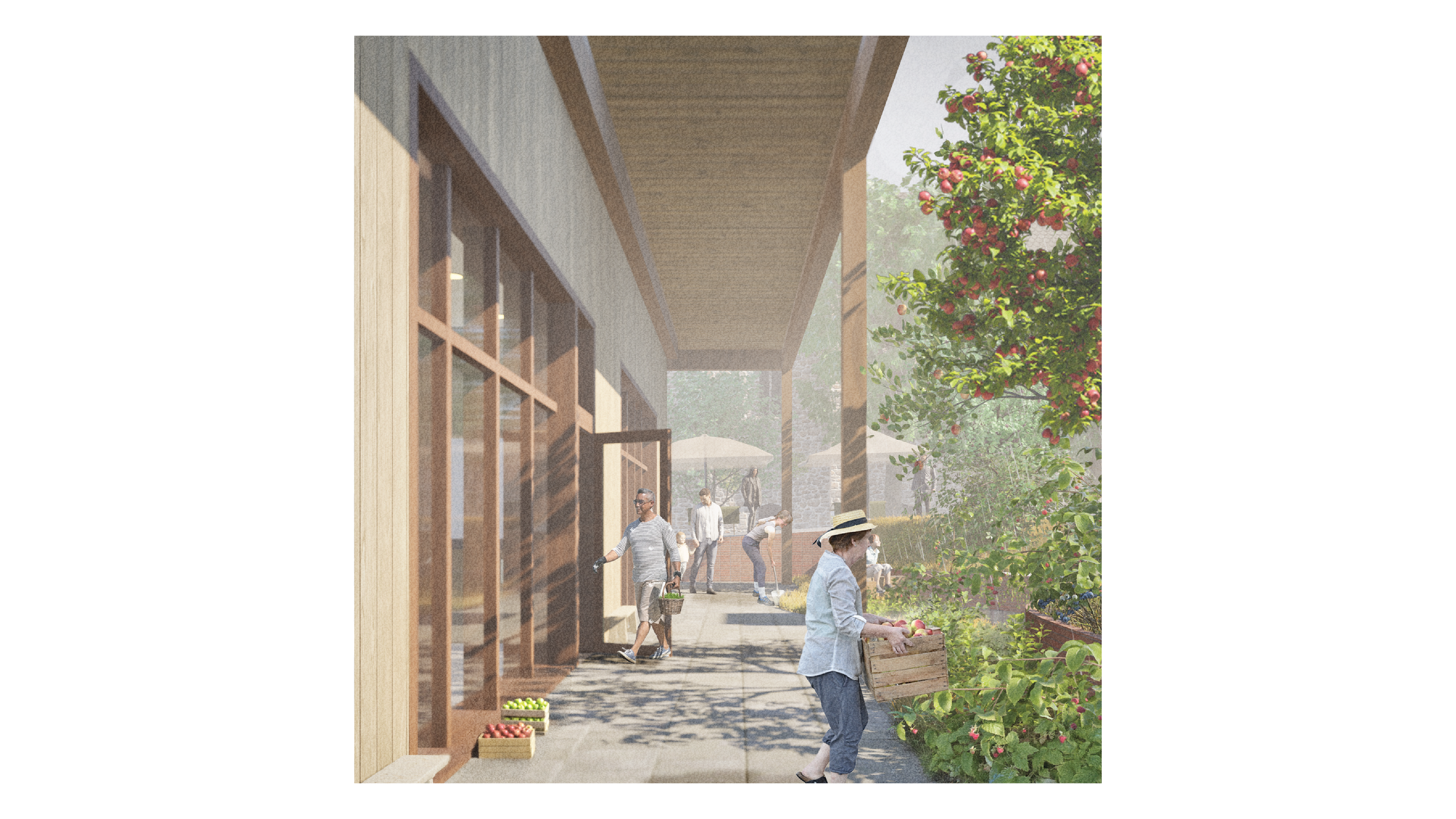
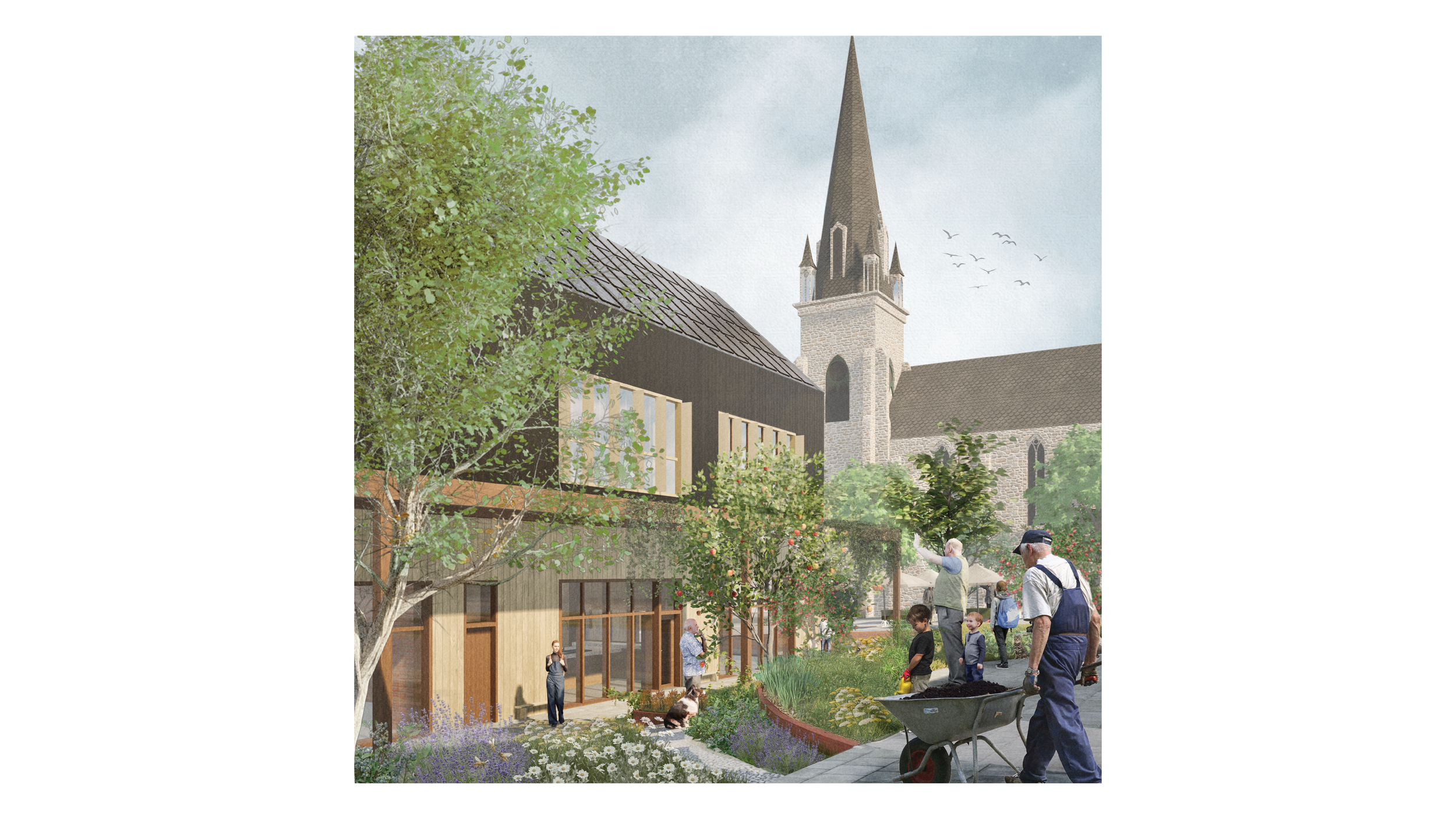
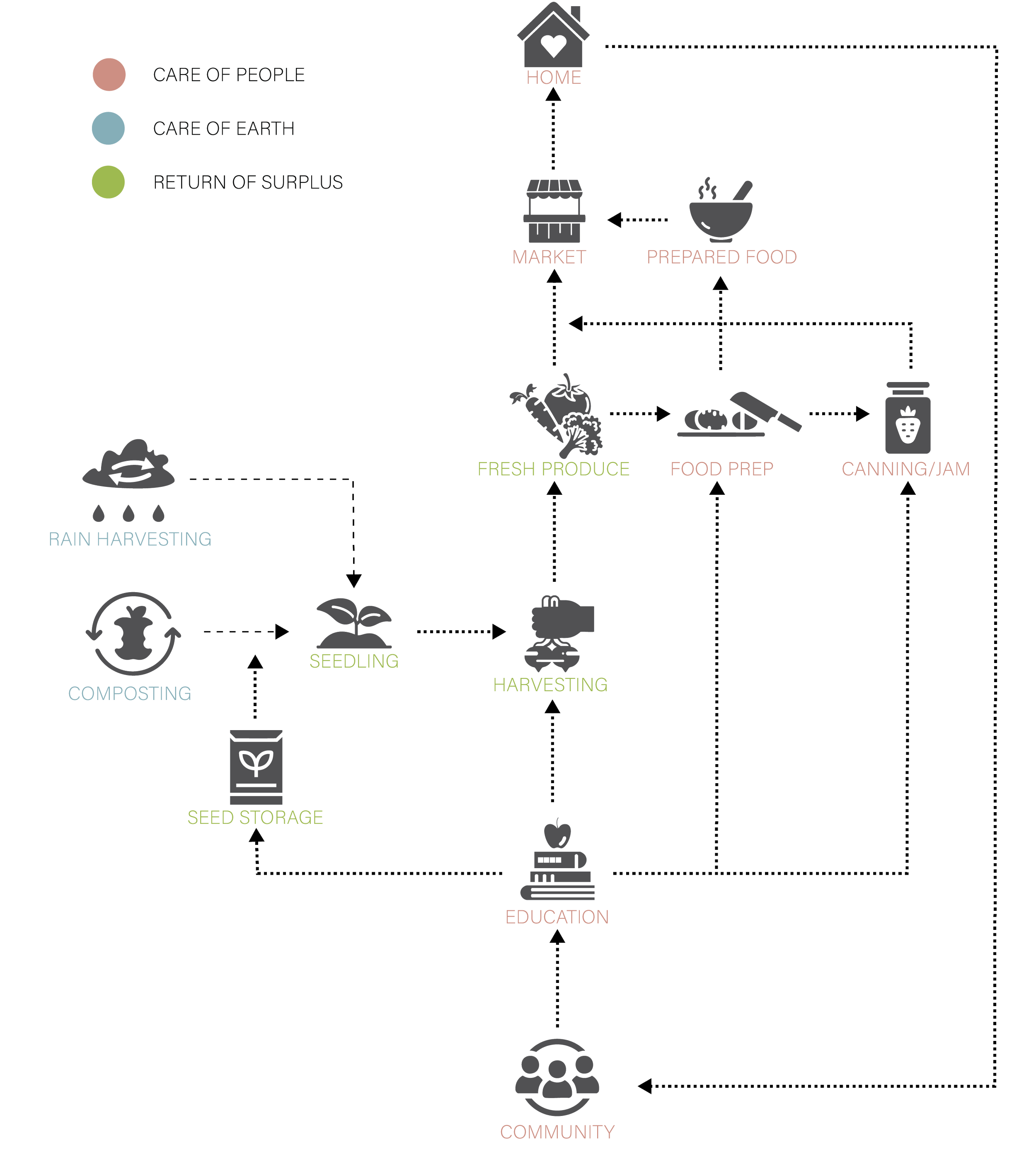
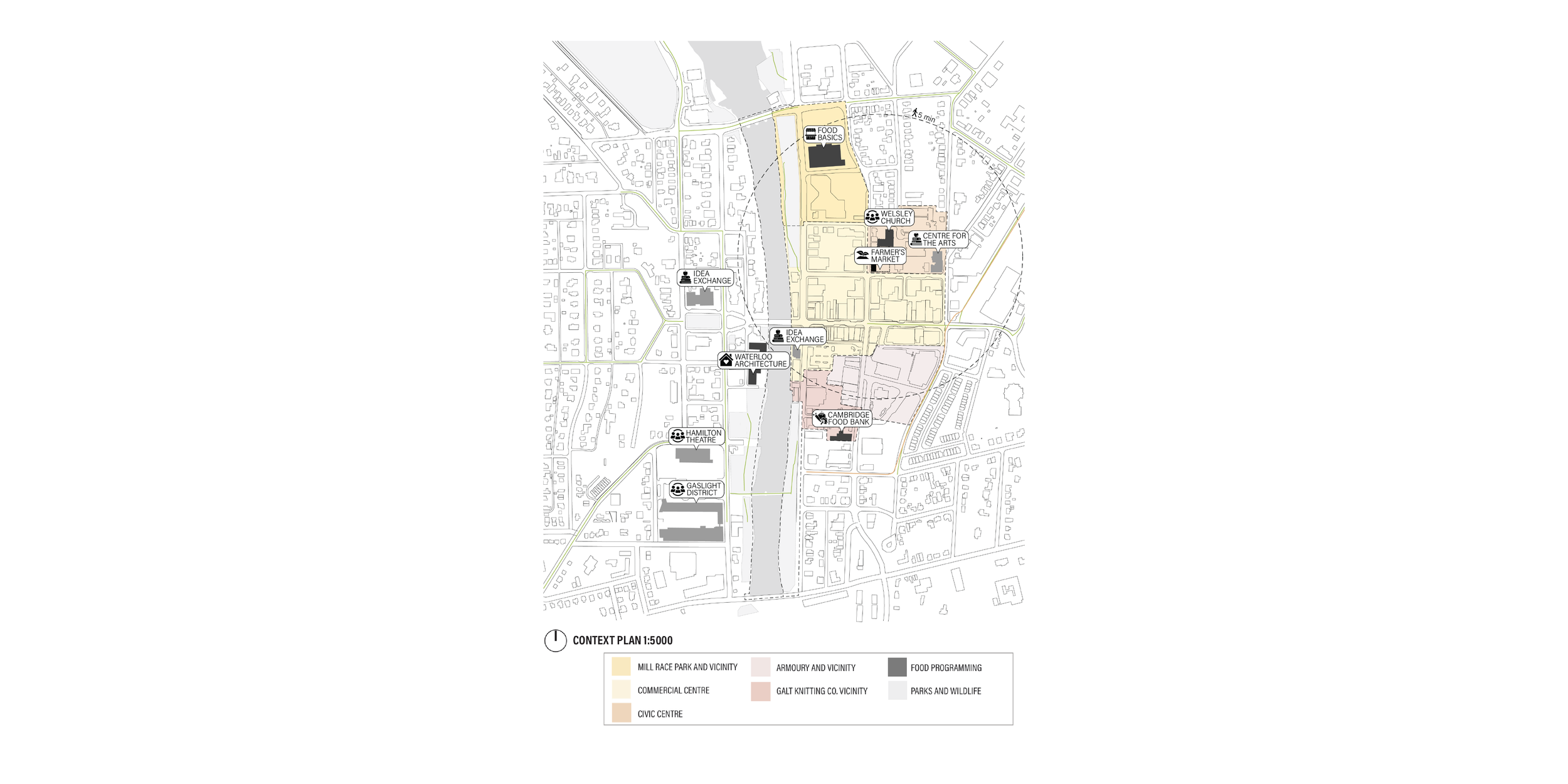
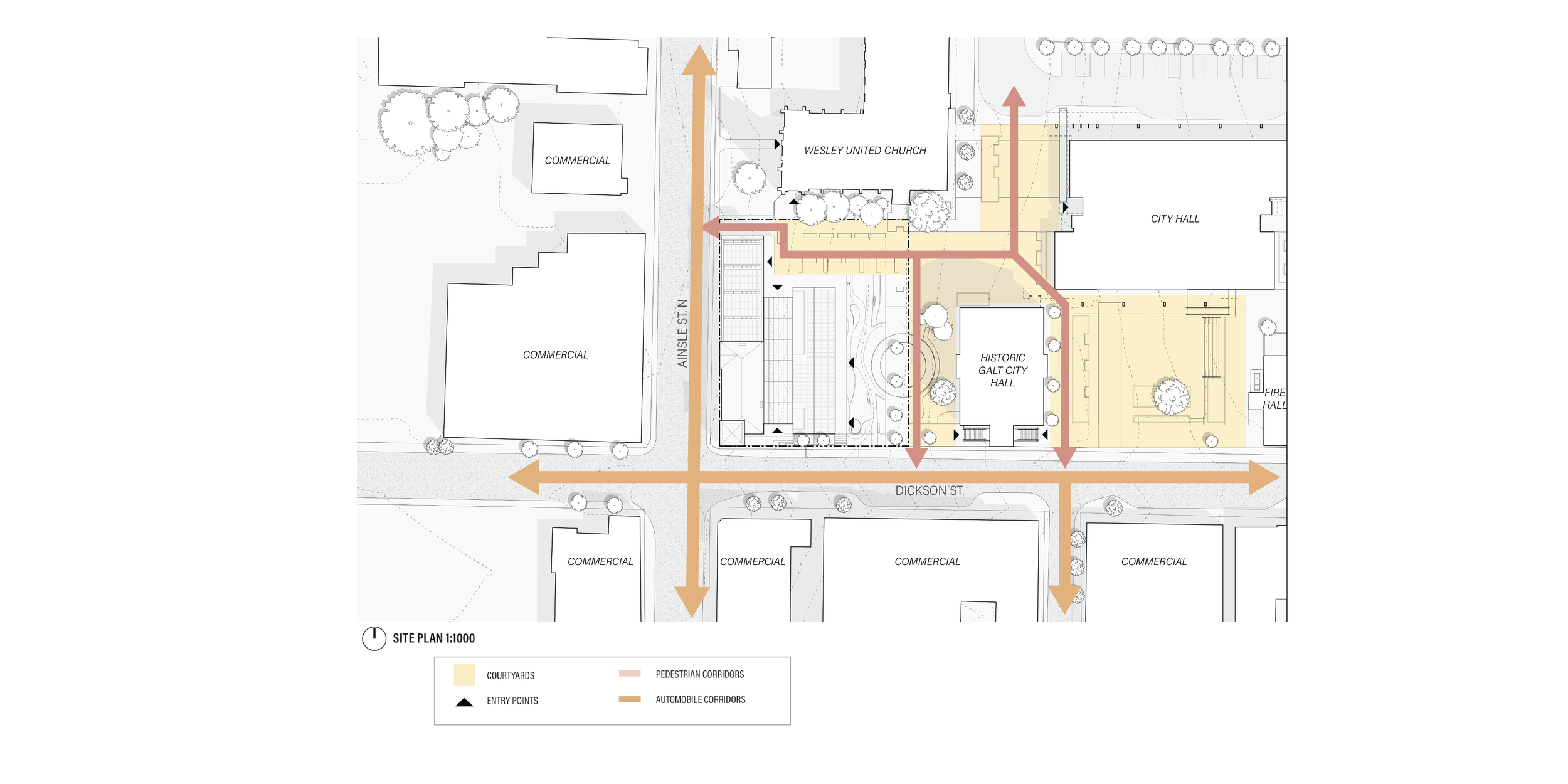
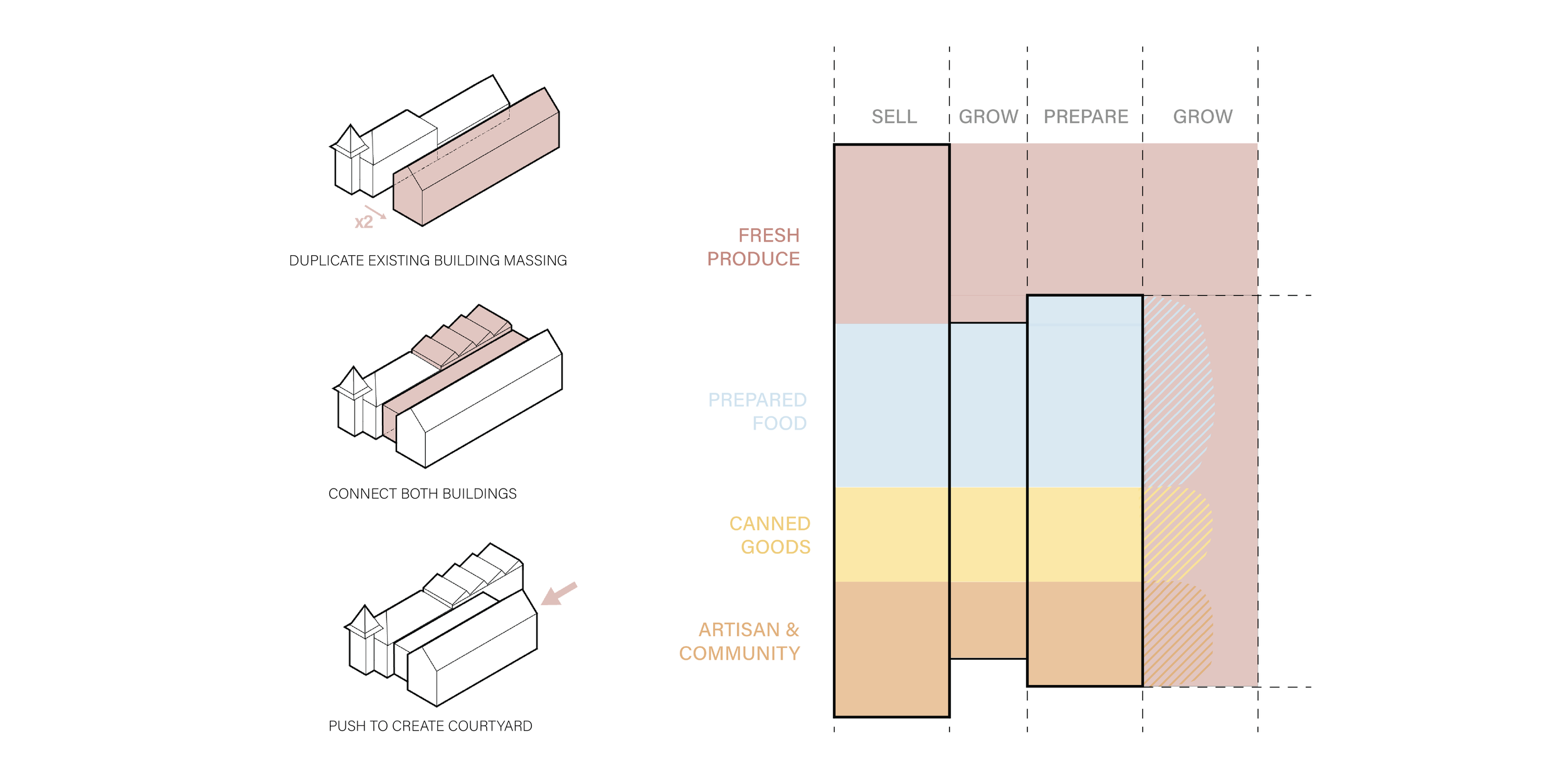
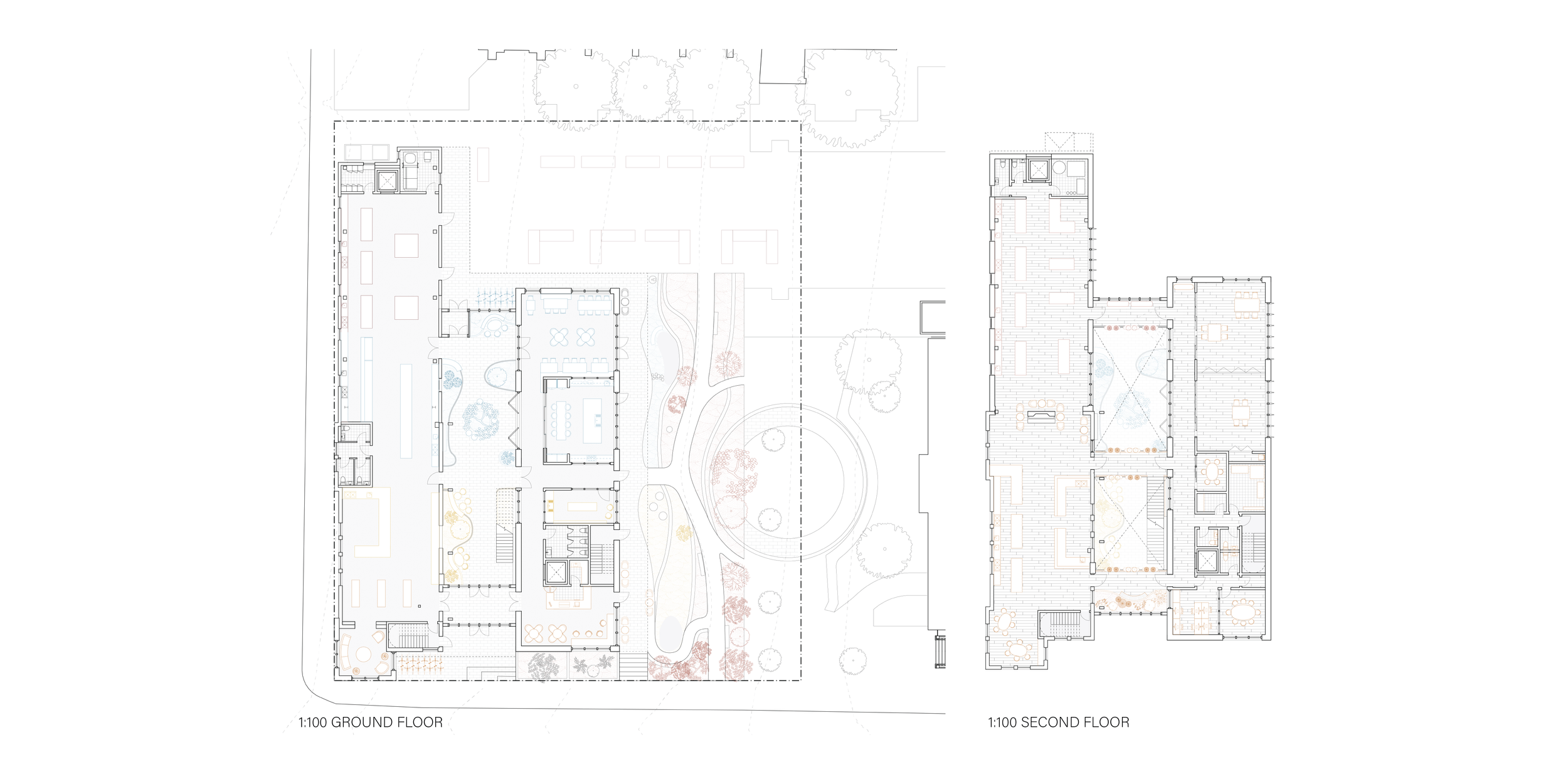
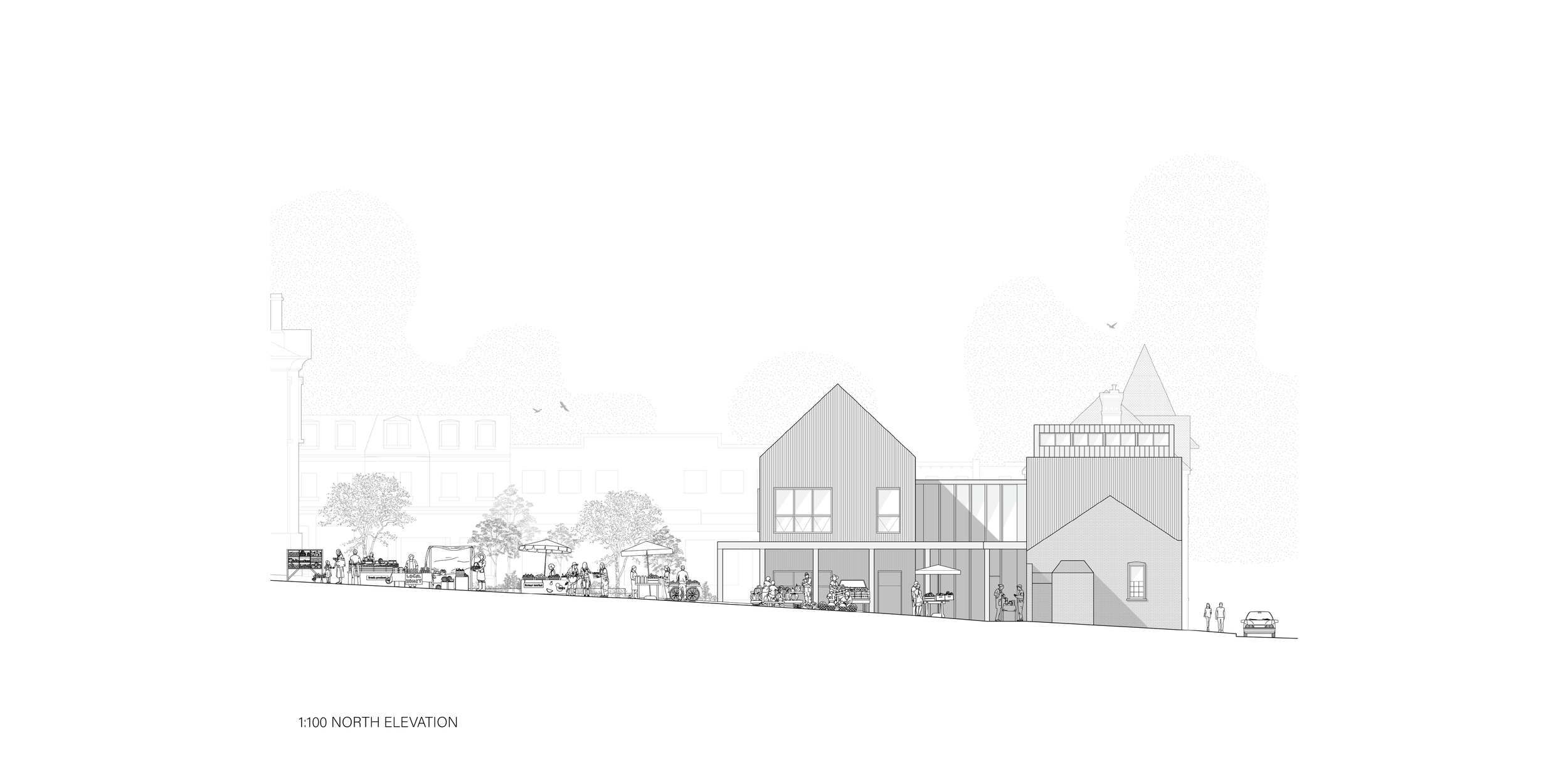
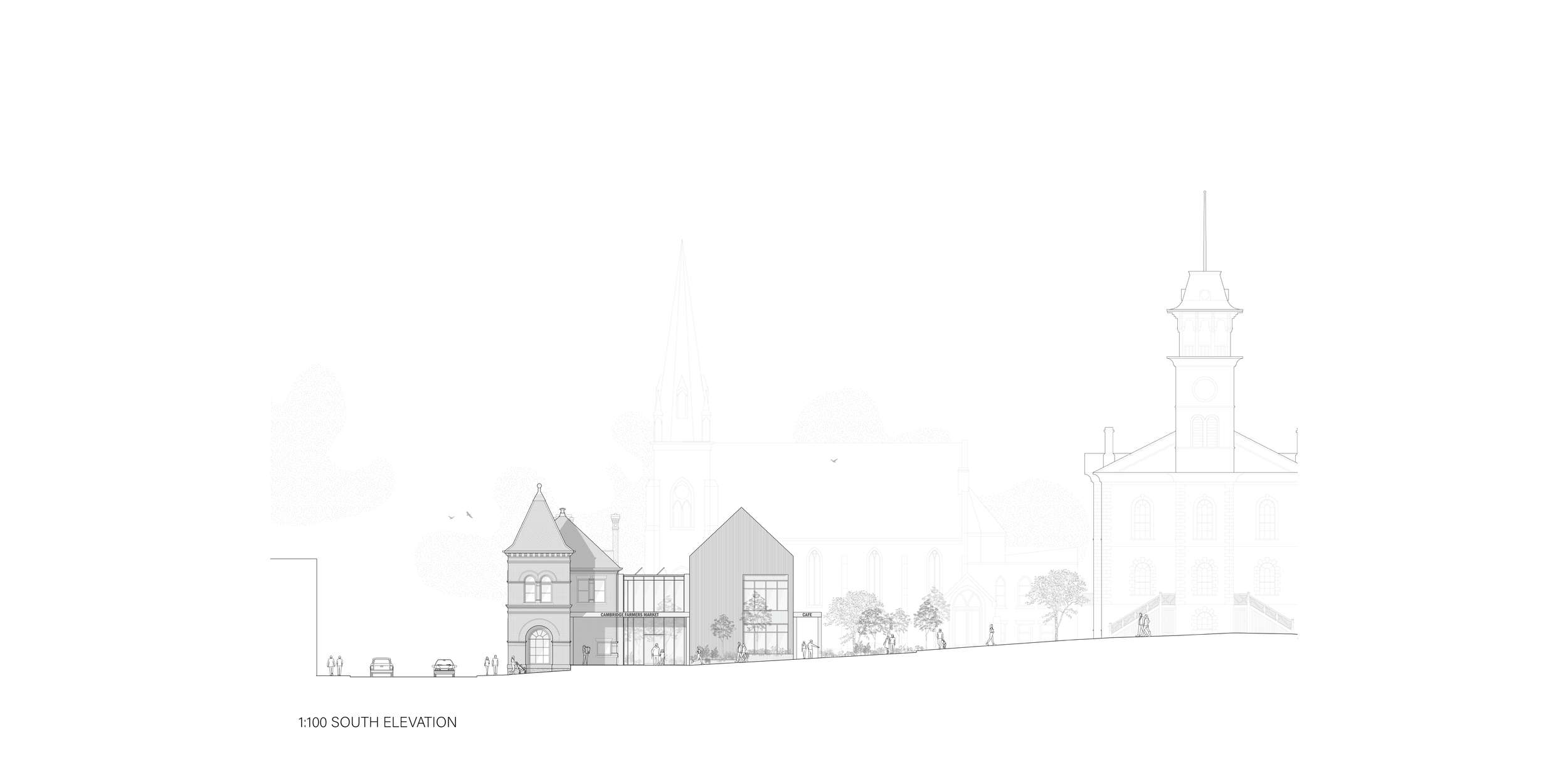
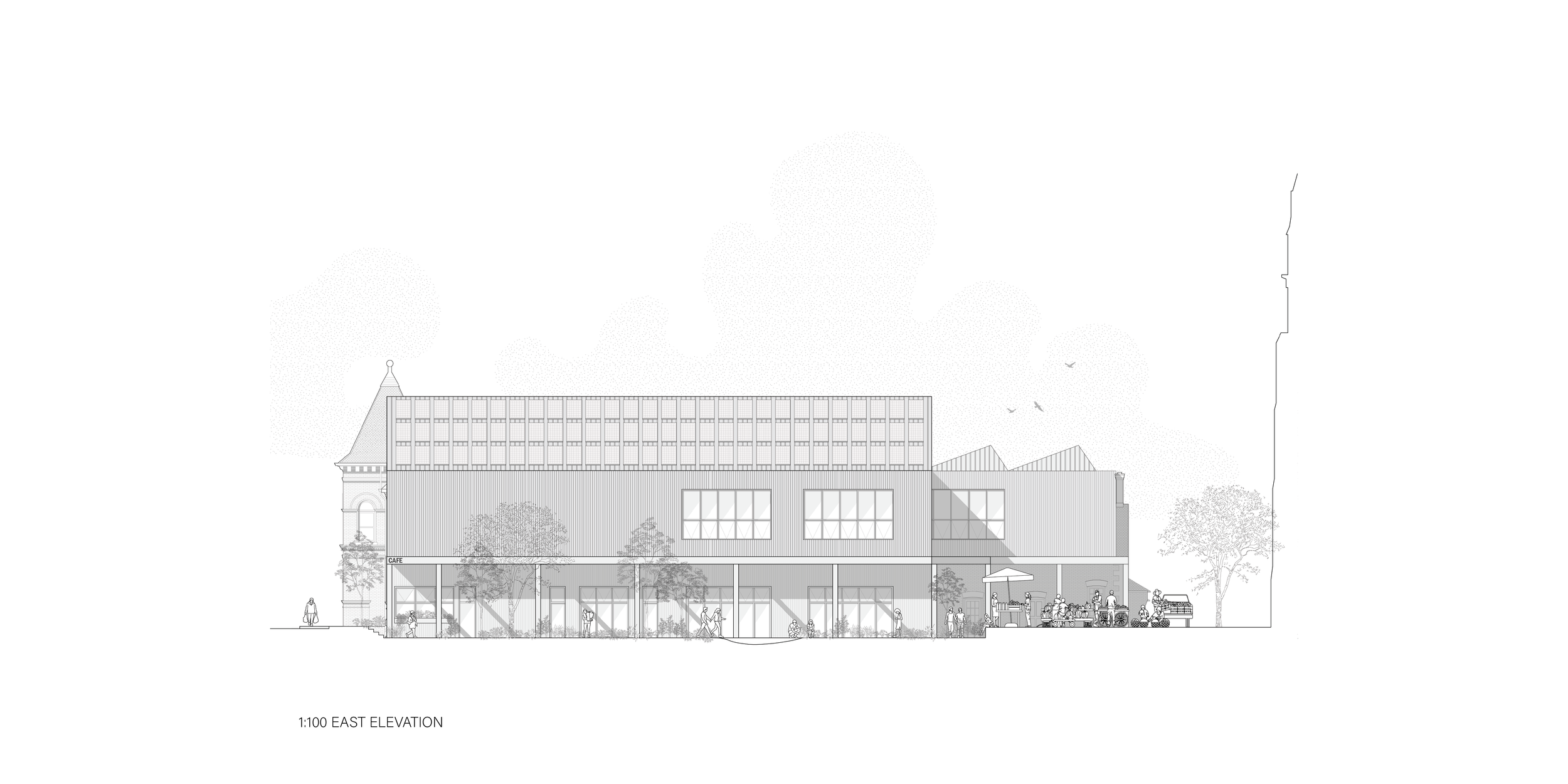
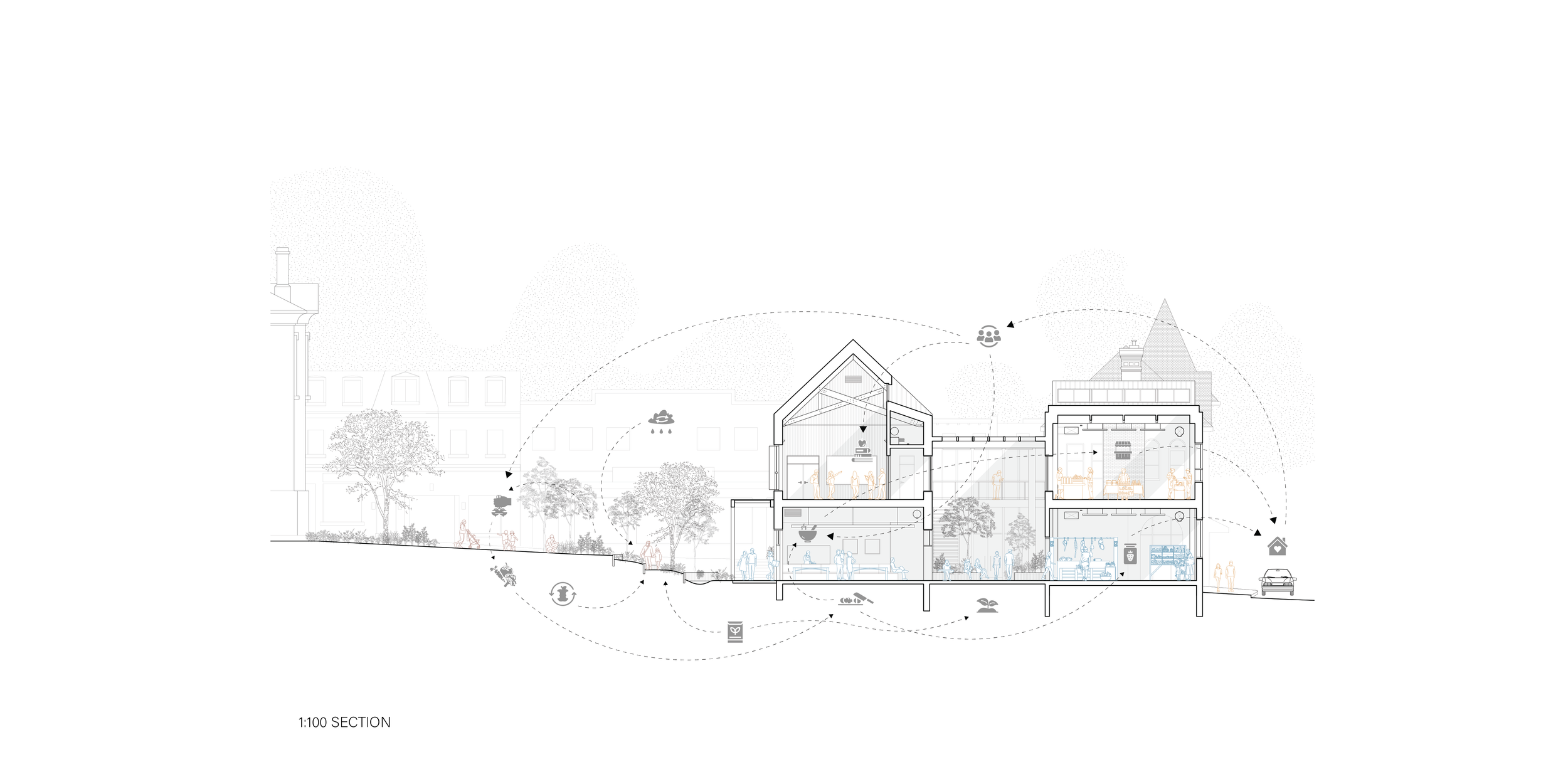
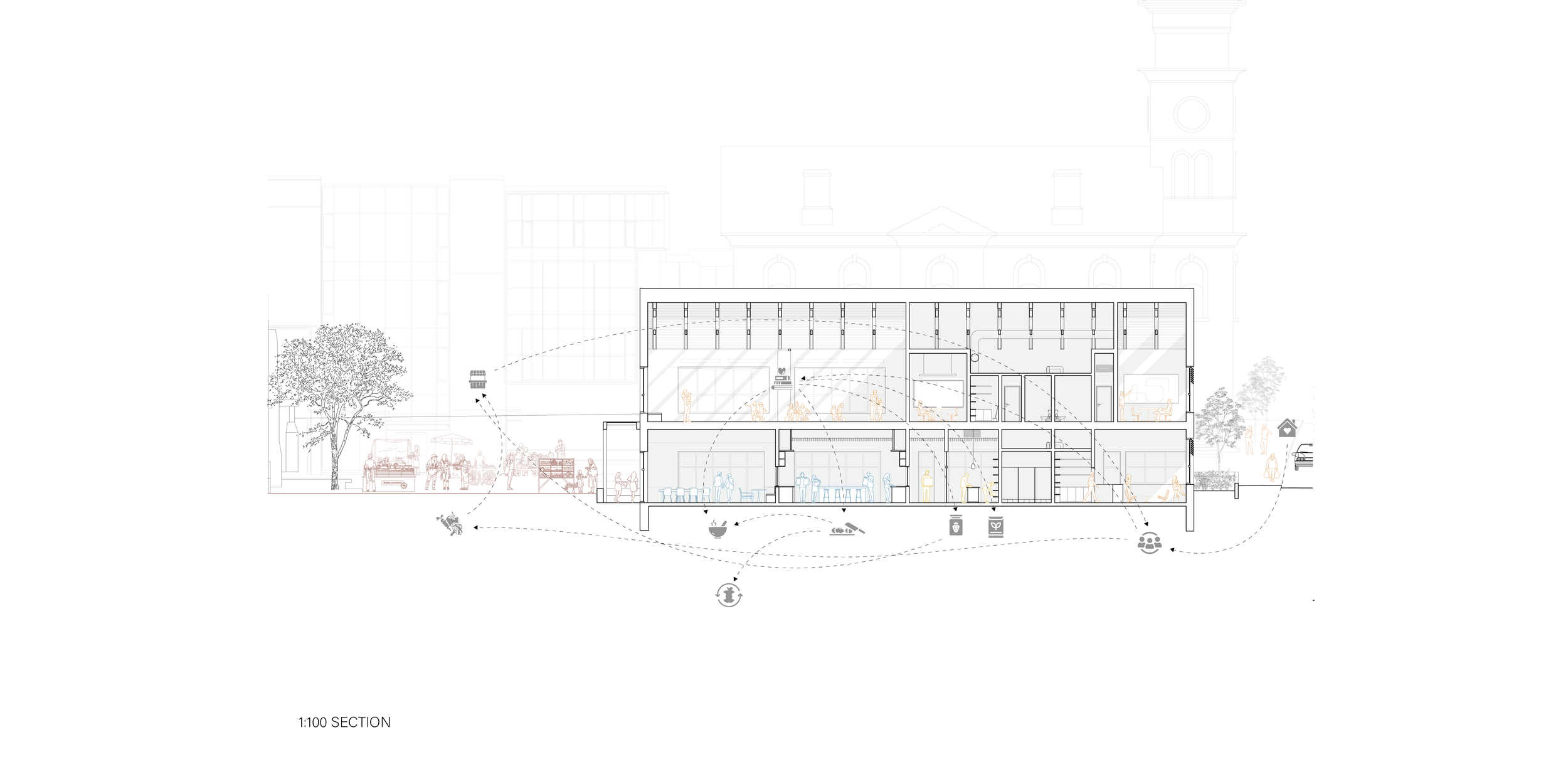
The Perma-Place Market creates a self-sustaining, community driven farmers market and community hub, centered on the ides of permaculture and reciprocal relationships. Permaculture is a driving force for community engagement, agency year-round, and sustainable food practices. The building is net-zero, designed so energy harvested from the site stays on site. The farmer’s market is split into three masses; the farmers market in the existing building, a greenhouse atrium, and a new community wing. The massing maintains a connection and integrates the building to the existing network of courtyards on site. Material choices, shading strategies, and other design decisions were guided by our net-zero analysis. Active building systems are provided as a secondary strategy to passive systems, ensuring minimal loads and energy efficiency. The result is a space that brings people together, supports local food systems, and offers a more sustainable way forward.
SEASONAL HARVESTING
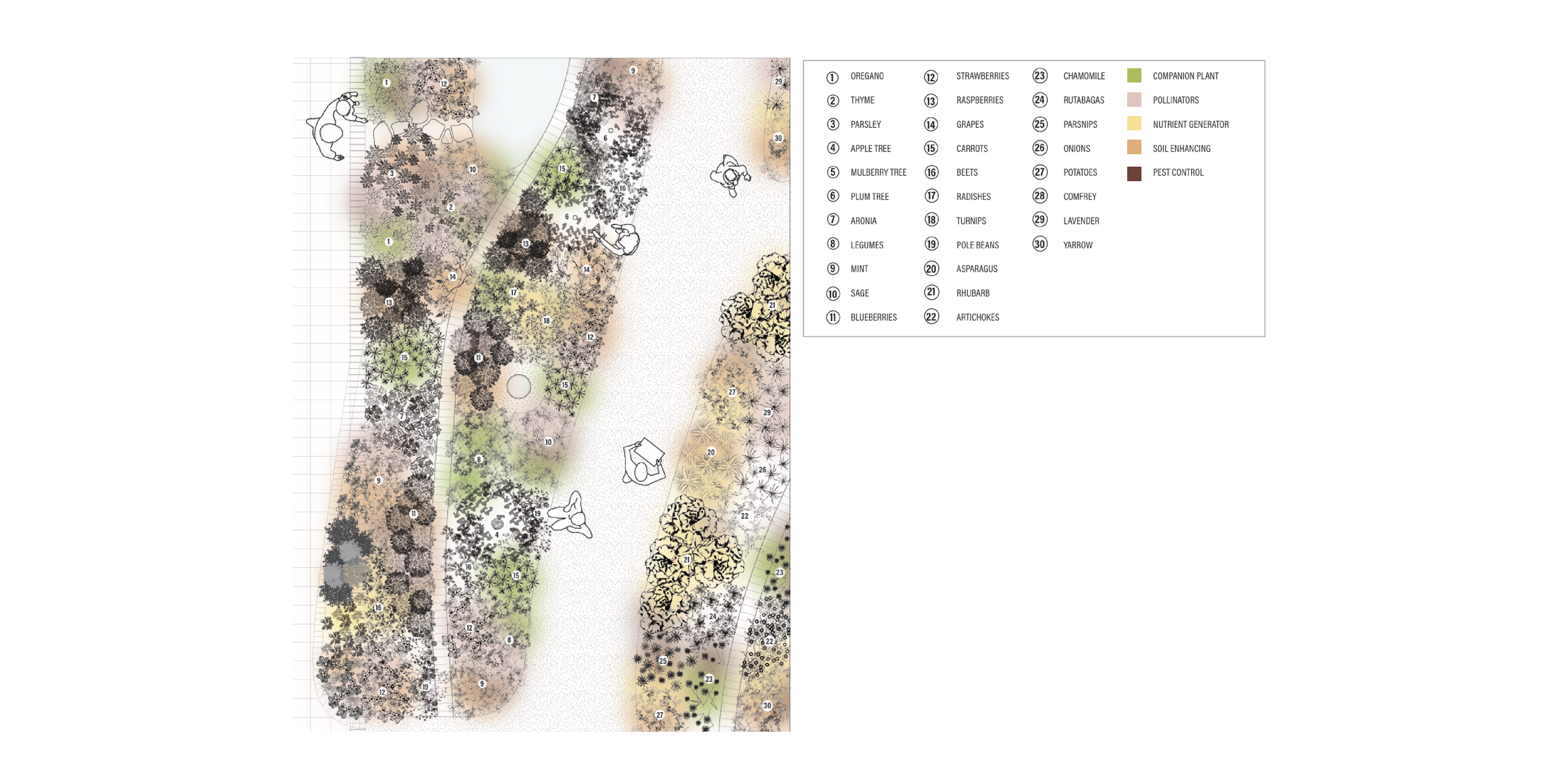
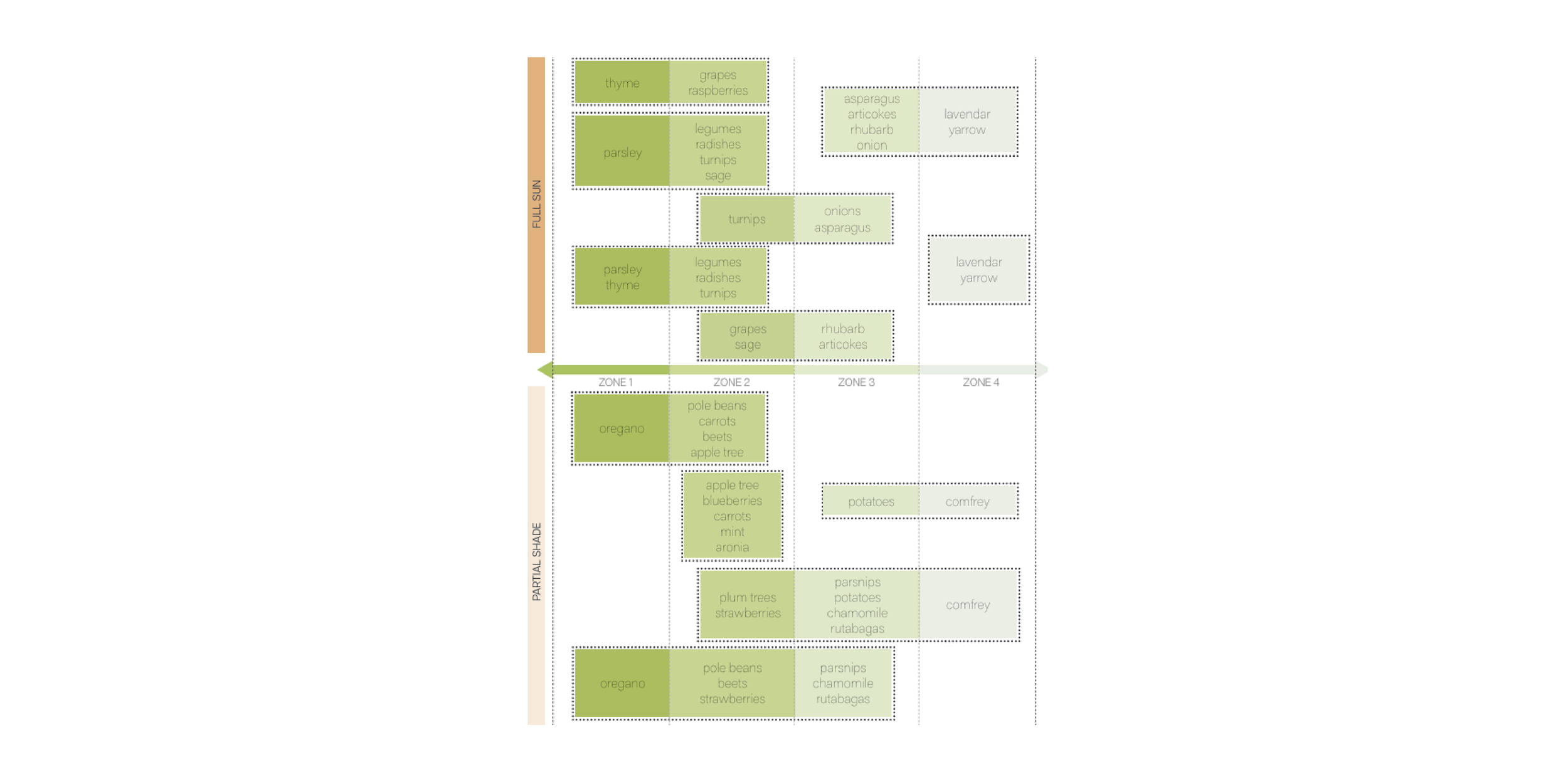
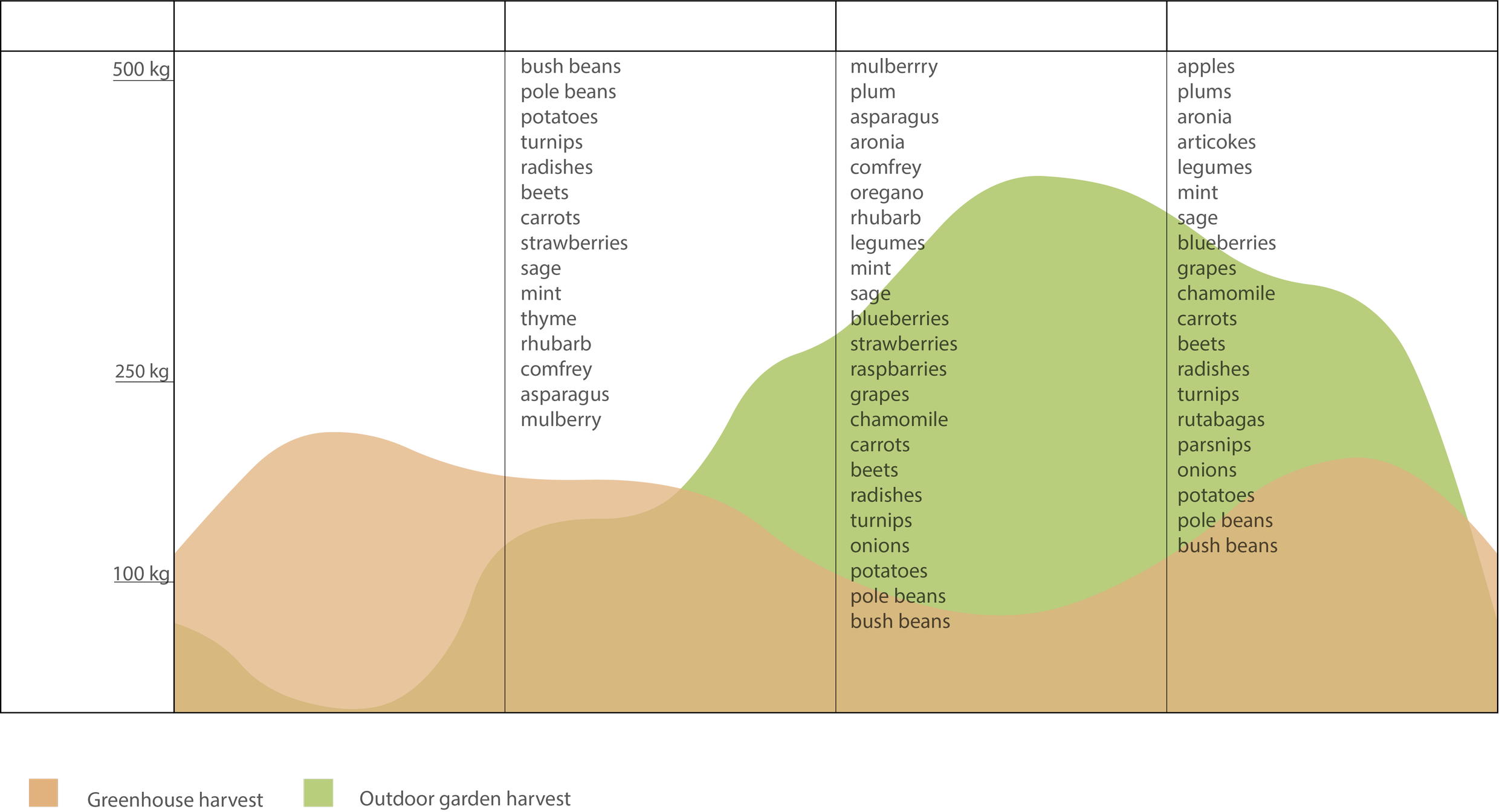
Careful consideration was made to determine which plant species from the Cambridge climate zone would best suit indoor and outdoor growing seasons. An average yield per year determined that 40 grown adults could be sustained off the greenhouse and outdoor permaculture space, and 80 local residents could be partially sustained off the food produced year-round. The graph shows the indoor (orange) and outdoor (green) harvests and plants used in both gardens.
NET ZERO GOALS
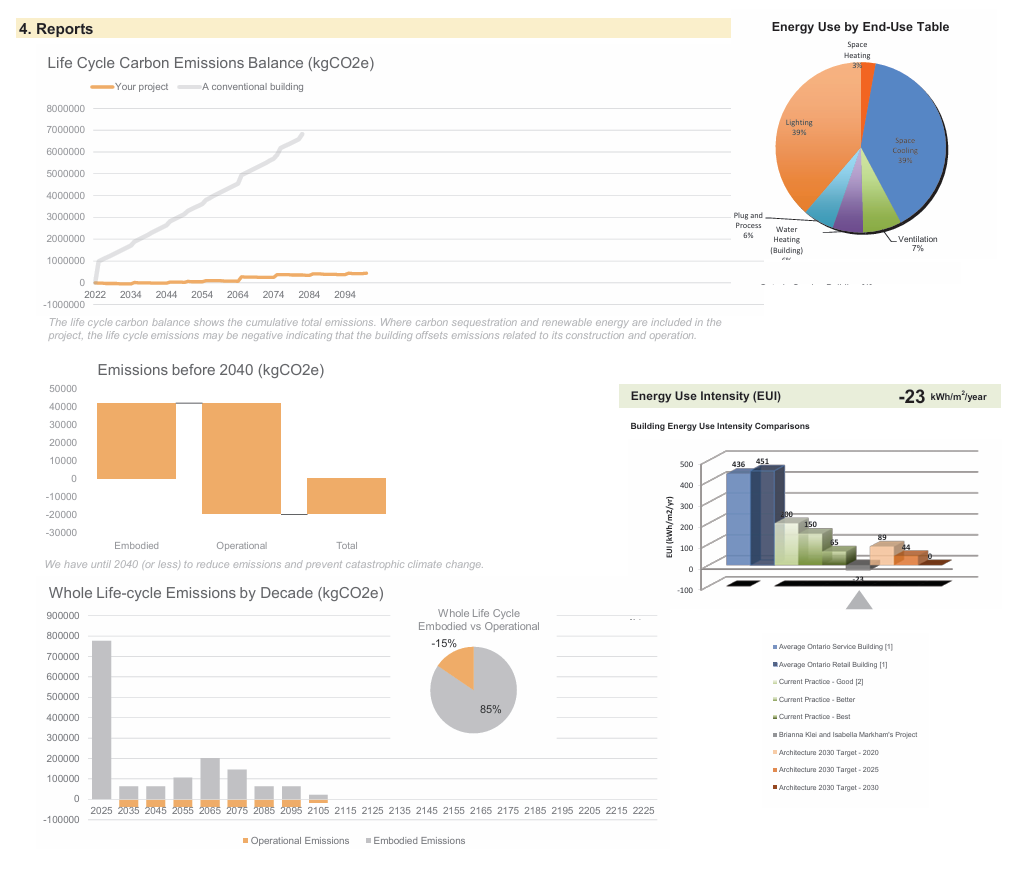
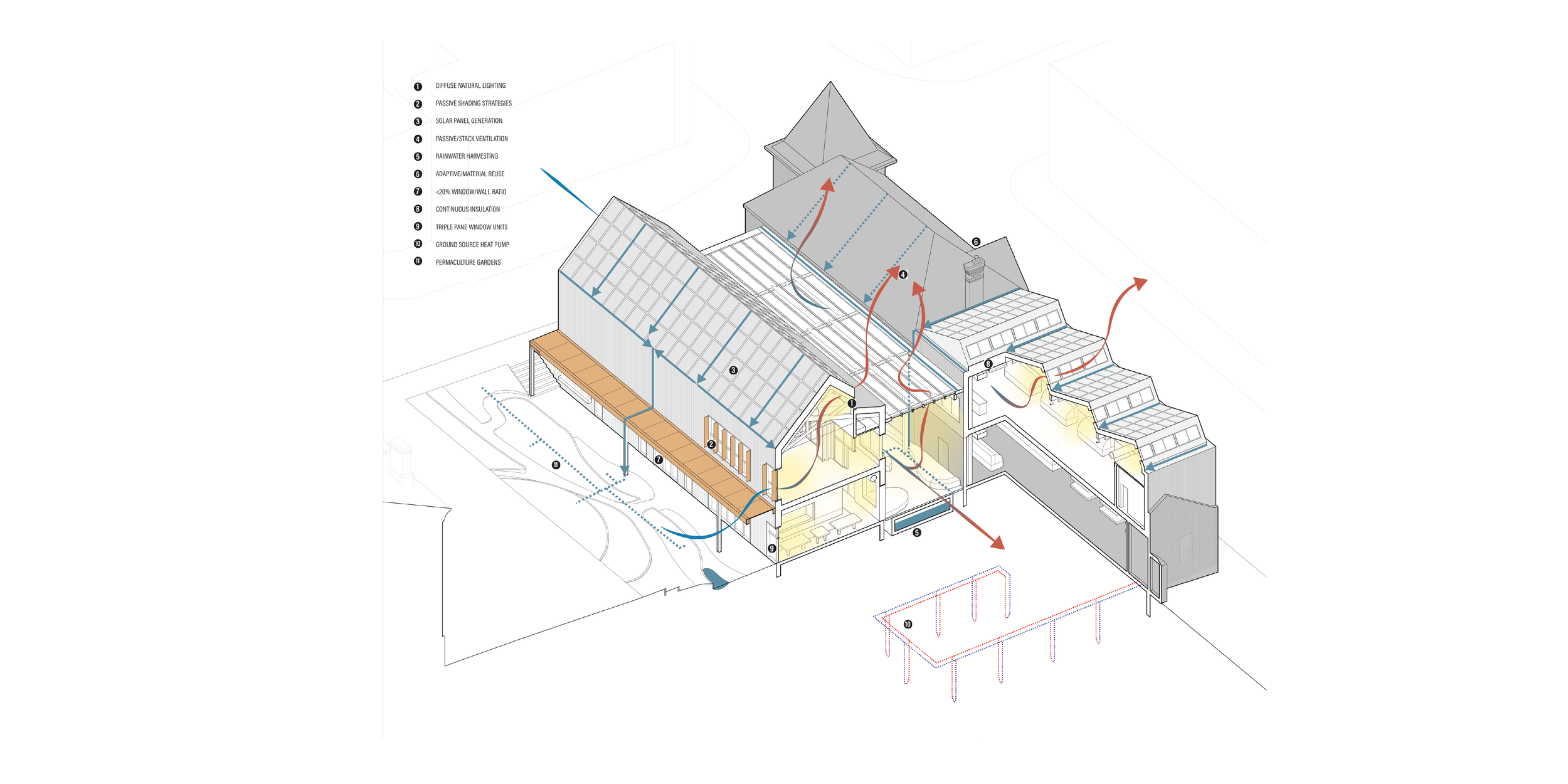
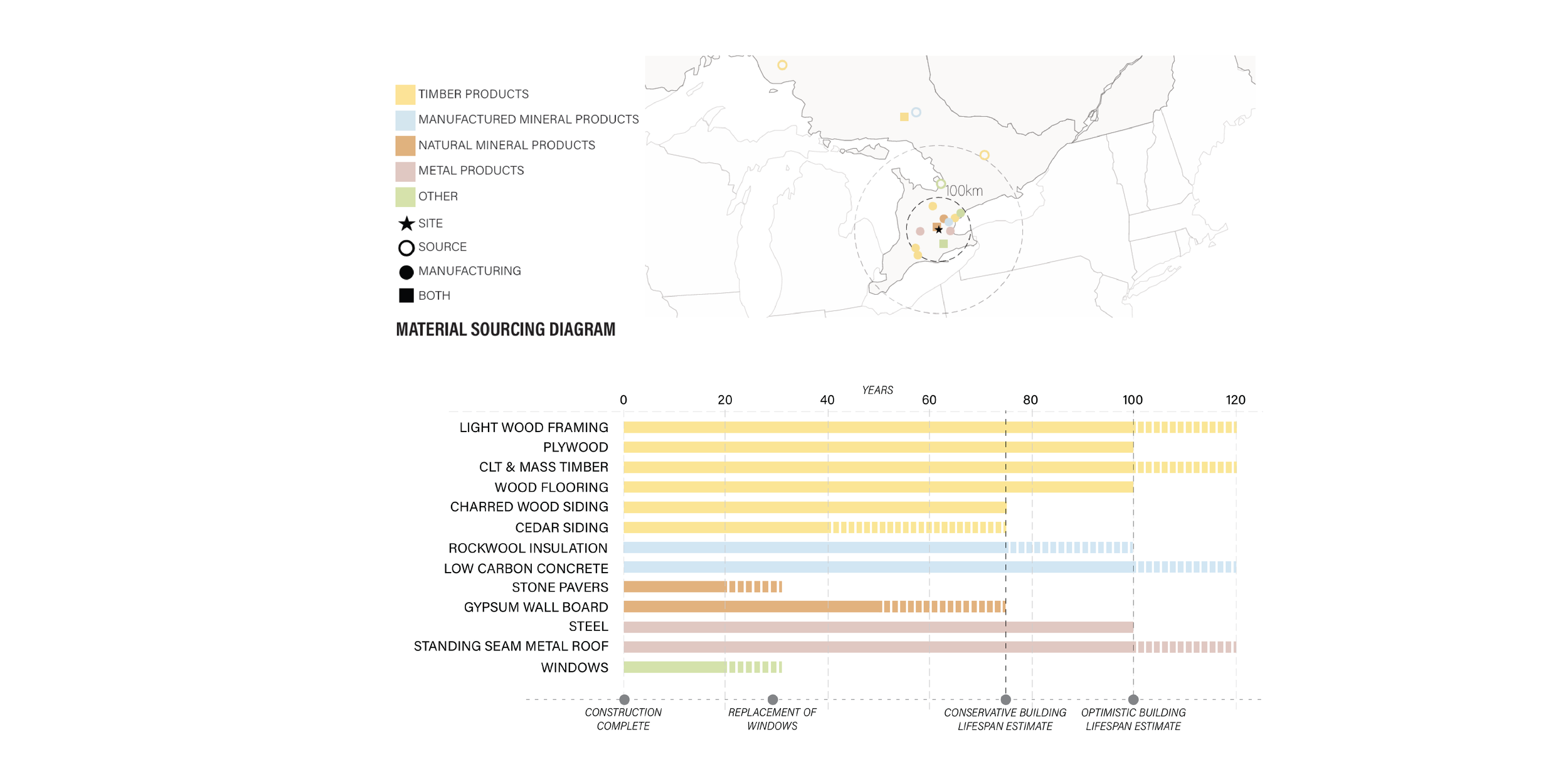
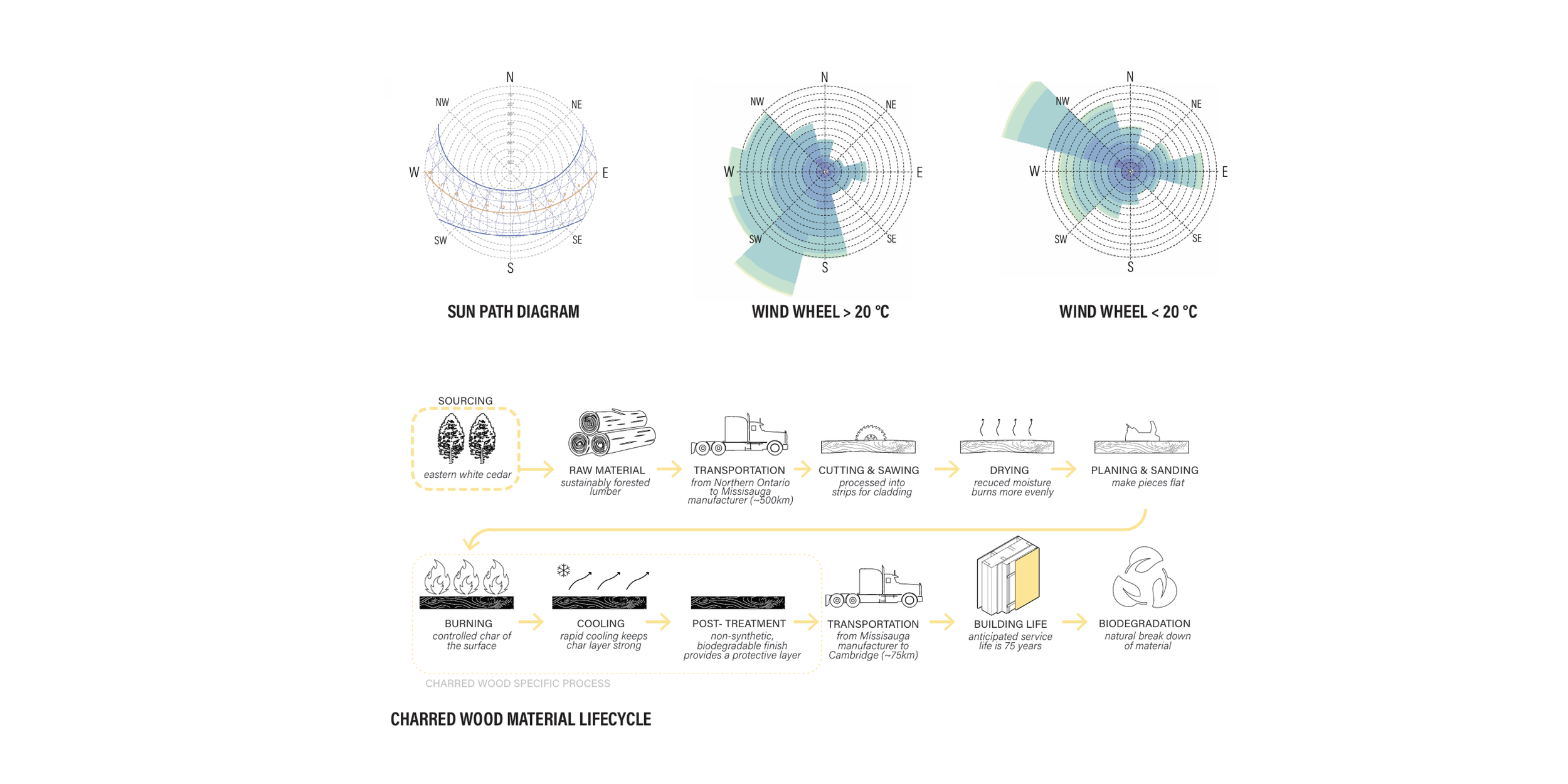
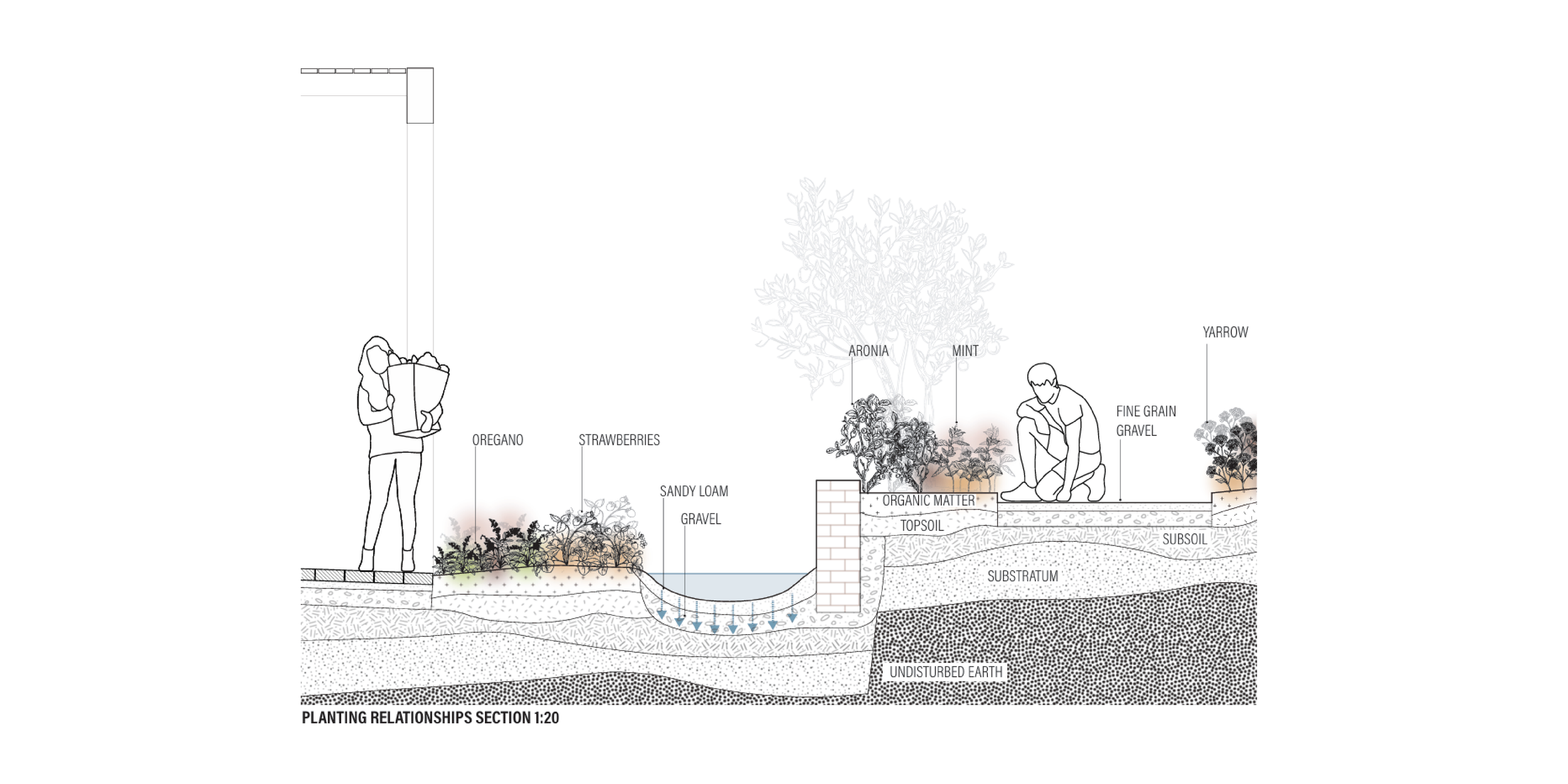
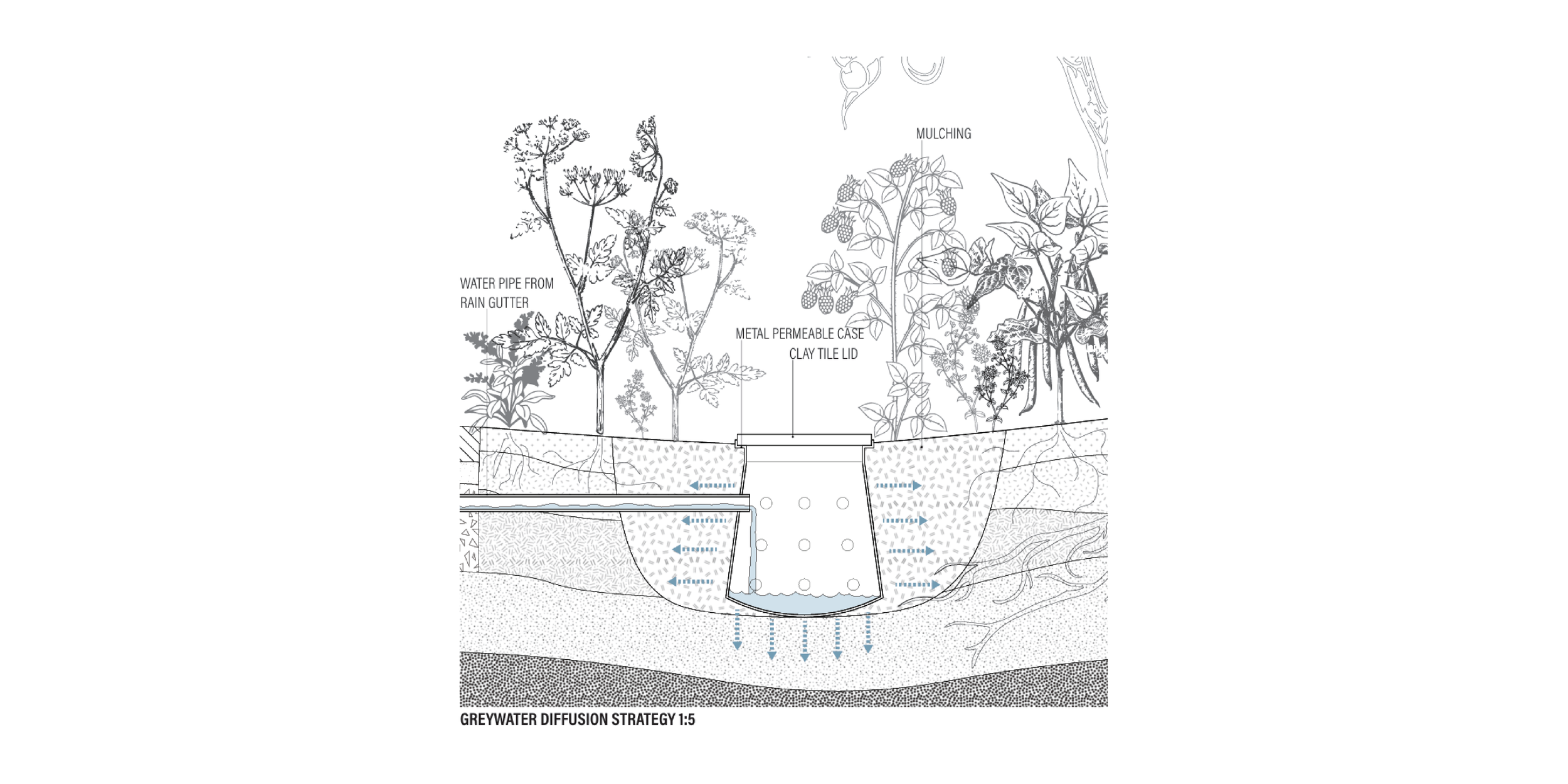
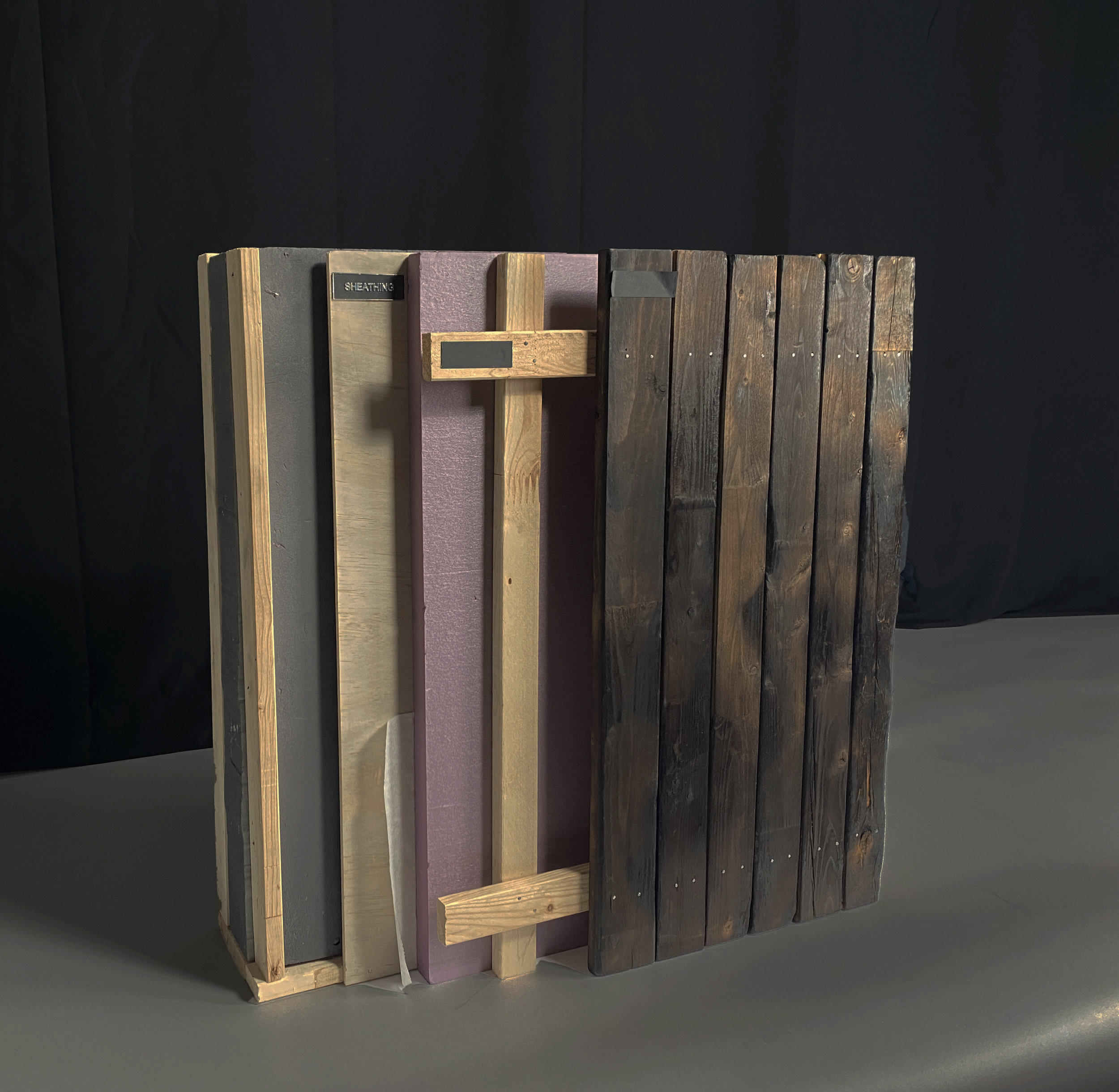
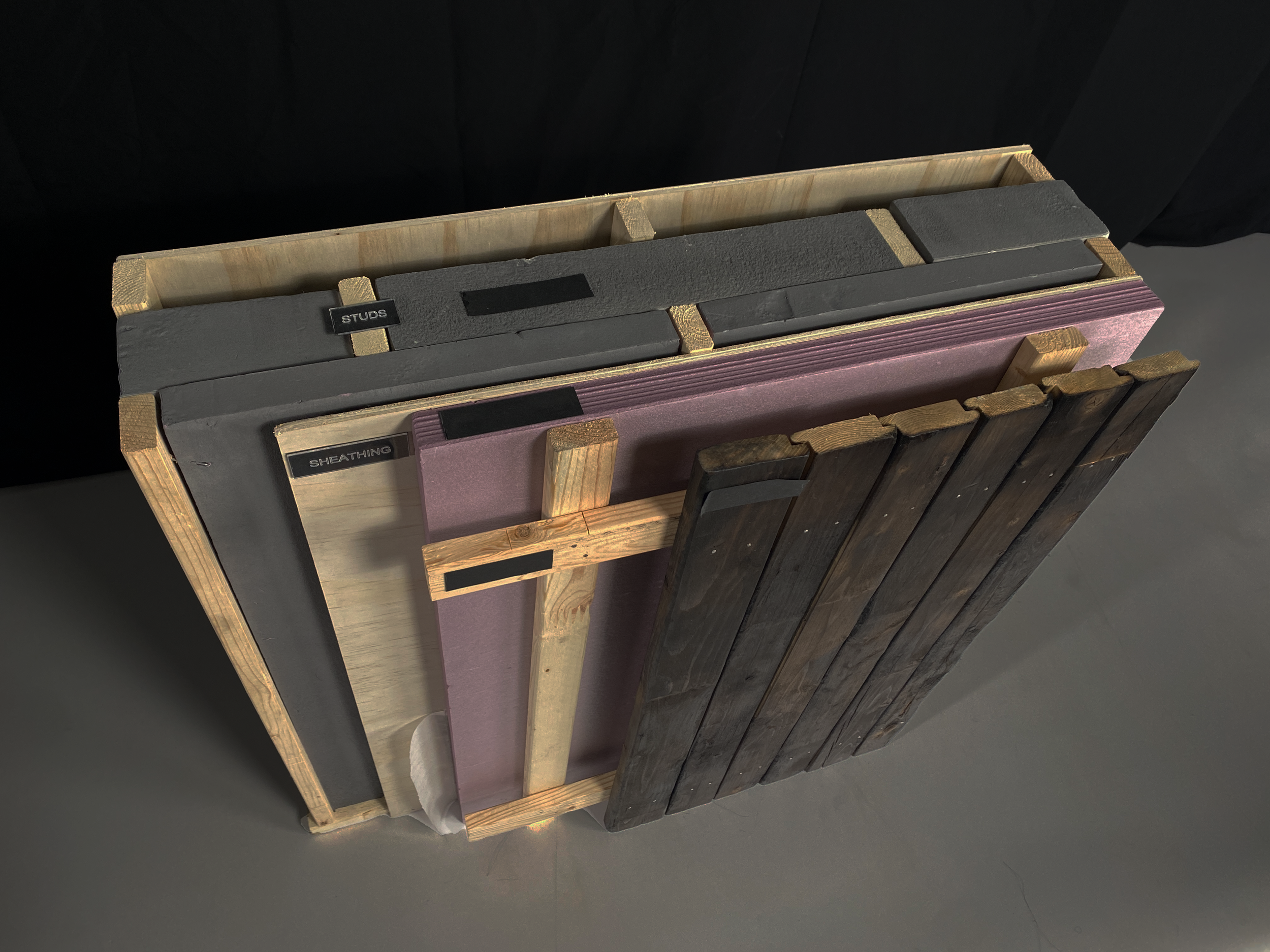
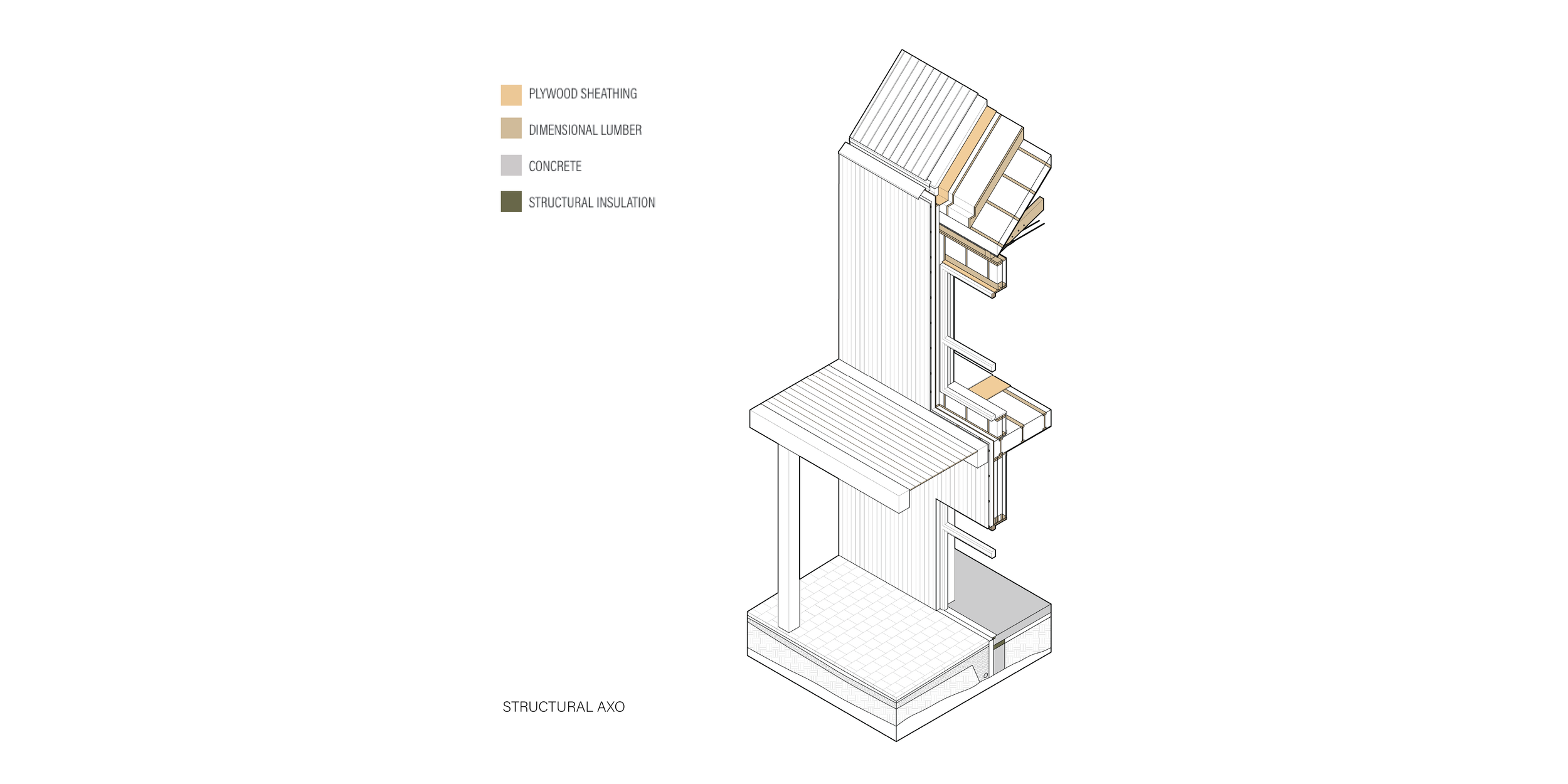
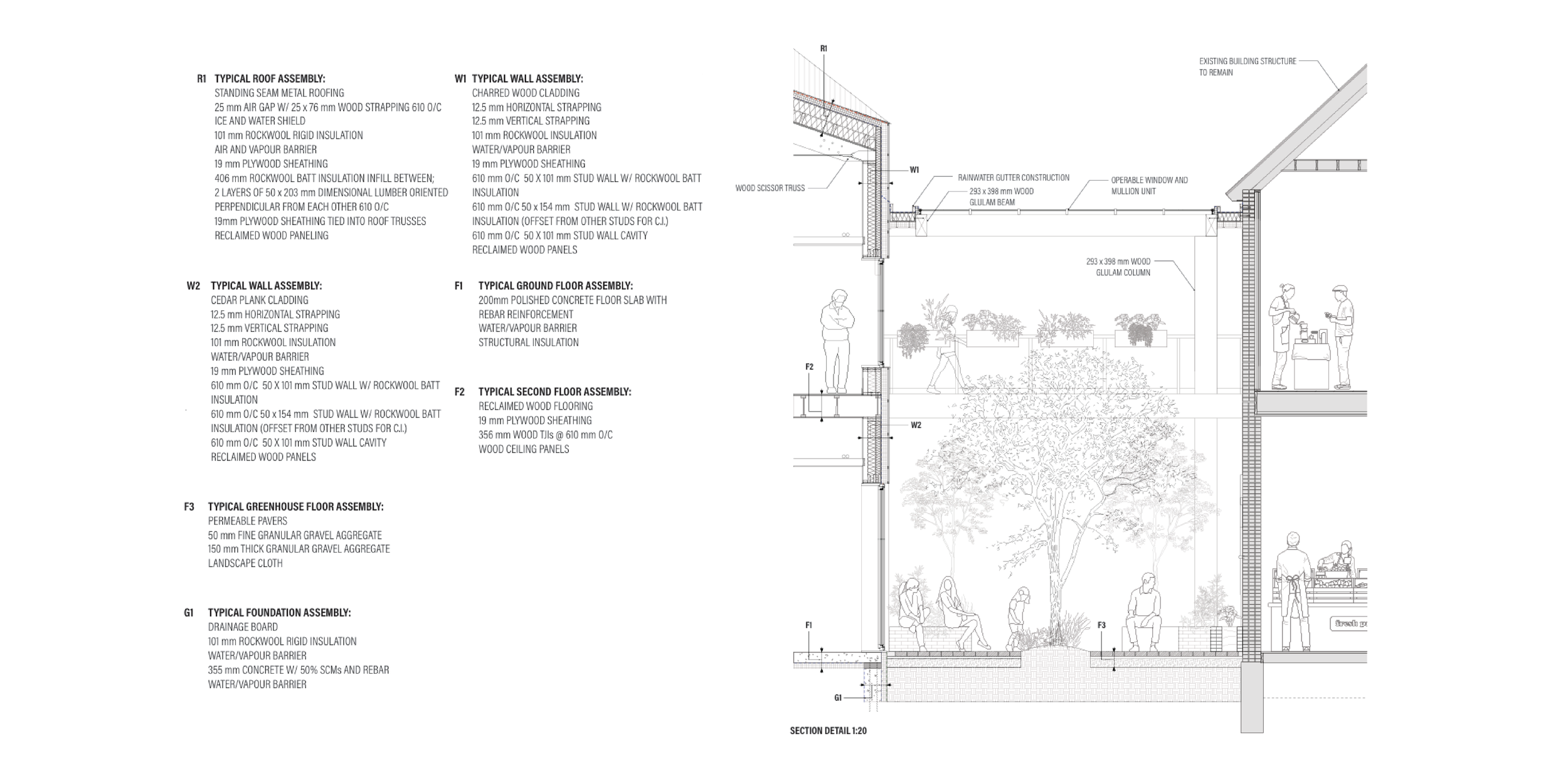
Net Zero Buildings work in parallel to the permaculture methodology. Both practices strive to create closed loops of energy and materials that remain on site. We achieve a Net-Zero Building status through maintaining a continuous thermal enclosure, low-carbon and local material sourcing with a balanced material consumption, utilizing the passive energy provided by the site, and choosing relatively low-carbon intensity active systems. The building is primarily made of stick-frame construction and wood cladding materials. Engineered wood members with higher carbon intensity are limited to areas of high loads where dimensional lumber doesn’t have the capacity to span. The heritage-designated farmers’ market has been largely retained and preserved. The embodied carbon of the existing building does not count toward the overall carbon accounting. The new community wing is built to Passive House Standards with a double-stud insulated wall and roof assembly that ensures continuous insulation that limits thermal bridging. Triple pane glazing is used on all new glazing systems to minimize unwanted heat gain & loss. The window/wall ratio is under 20%, with windows placed strategically for views and daylighting. Passive heating and cooling strategies include solar shading devices and cross ventilation. Stack ventilation and air displacement is used to move warm air up and out through clerestory windows and operable skylights. Rainwater is harvested to supply greywater to the toilets, greenhouse drip irrigation systems, and outdoor garden through greywater diffusing systems. During peak seasons, active strategies are used to maintain thermal comfort. Ground source heating and cooling is used, decoupled from fan coil unit ventilation. Additionally, solar panels located on the roof harvest the sun’s rays and provide an adequate amount of energy for the building to operate year-round.